When Happiness is a Mask
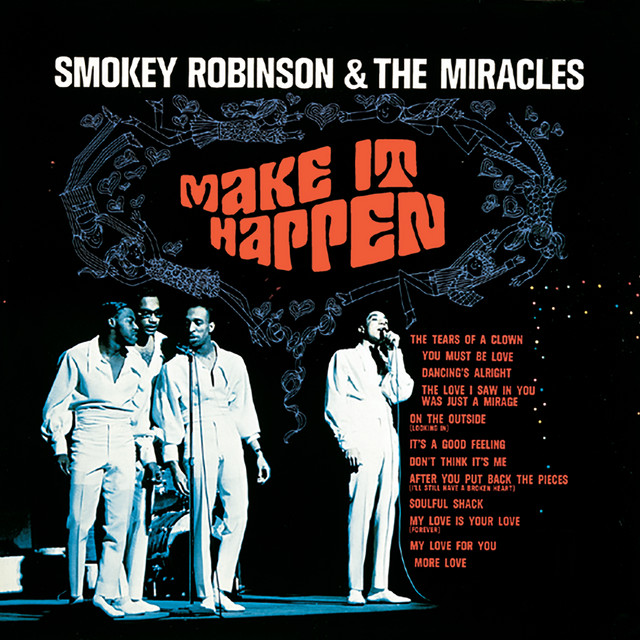
Released in 1967 as part of the album Make It Happen, "The Tears of a Clown" stands out as a hallmark of Smokey Robinson's artistry. Co-written with Hank Cosby and Stevie Wonder, the song’s upbeat melody belies its somber theme of concealed heartbreak, a stark reflection of Robinson’s own emotional struggles.
The Personal Cost of Love
At the time of writing, Robinson was grappling with the fallout of his tumultuous relationship with his then-wife, Claudette Rogers Robinson. The lyrics echo the paradox of trying to present a brave front while feeling utterly defeated inside. The line,
captures the essence of masking sorrow with a smile, a theme that resonates with anyone who has ever pretended to be happy."But there's something that I can't hide / I can't hide my tears of a clown"
A Masterclass in Contradiction
The song is a masterclass in contradiction, a hallmark of Robinson's songwriting. The jaunty horns and lively rhythm create an atmosphere of joy, yet the lyrics reveal a deeper, melancholic truth. The contrast is jarring but it’s this very duality that makes the song enduringly relatable. Robinson's ability to weave his painful experiences into a danceable hit is nothing short of genius.
Influence of Motown's Sound
Produced under the Motown umbrella, "The Tears of a Clown" showcases the label's signature sound, blending soul and pop with a touch of jazz influence. This was a pivotal time for Motown, where the emotional depth often coexisted with vibrant musicality. The production, spearheaded by Robinson himself, creates a soundscape that is both inviting and haunting.
Interestingly, the song wasn't an immediate hit upon its release but later reached number one on the Billboard Hot 100 in 1970, proving its timeless appeal.
Legacy of Sorrow and Joy
Robinson's ability to channel his personal heartbreak into universally relatable lyrics has left a lasting impact on music. "The Tears of a Clown" continues to be a touchstone for artists exploring themes of love and loss, a testament to the song’s ability to connect on a profound level.
The Heart Behind the Art
In the end, Robinson’s vulnerability transformed a simple tune into a powerful narrative about the complexities of emotional expression. The song stands as a reminder that joy and sorrow often walk hand in hand, a duality that defines the human experience. Smokey Robinson didn’t just write a song; he crafted a reflection of his heart.