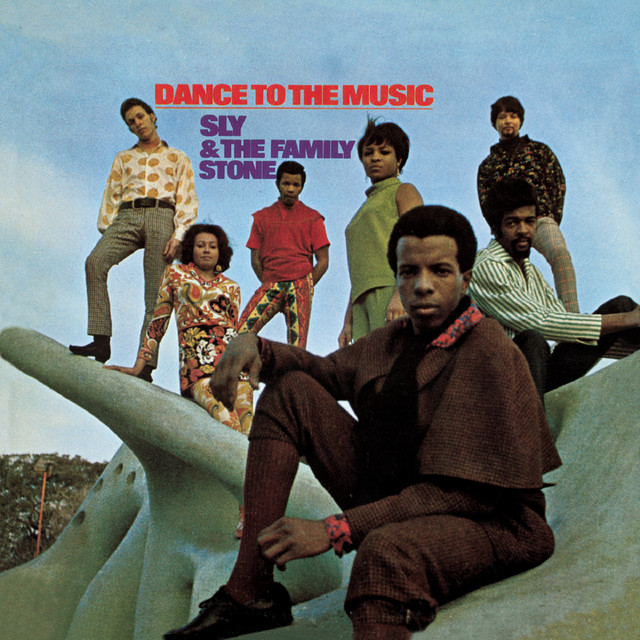
The Joyful Facade
'Dance to the Music,' released in 1967 as the lead single from Sly & The Family Stone's second studio album, is often celebrated for its infectious groove and exuberant call to celebration. The track's buoyant horns and spirited vocals invite listeners to let loose and embrace the rhythm. However, beneath this joyful exterior lies a political message that is both timely and timeless.
A Call for Unity
The genius of Sly Stone is his ability to intertwine joy with a sense of urgency. In a time when the civil rights movement was gaining momentum and the counterculture was rising, the song's chorus—'Dance to the music, all nite long'—functions as more than a mere invitation to party. It serves as a rallying cry for unity. Sly openly declares, 'We’re gonna dance to the music, we’re gonna dance to the music,' suggesting that the act of dancing itself becomes an act of solidarity.
"Dance to the music, dance to the music, dance to the music!"
Politics in Rhythm
The album, also titled 'Dance to the Music,' was released in April 1968, a time when America was grappling with issues of race, war, and inequality. Sly & The Family Stone were at the forefront of the funk-soul movement, blending genres and challenging societal norms. Their message was clear: the dance floor could be a space for liberation. The upbeat tempo masks the underlying complexities of the era, making it easy to overlook the track's deeper significance.
A Convergence of Cultures
Sly Stone’s mixed-race band was groundbreaking. Their diverse lineup was a reflection of the inclusive message they promoted. The song's vivid celebration of communal joy was revolutionary—an antidote to the divisive atmosphere of the late '60s. It’s not just about dancing; it’s about coming together. The lyrics beckon listeners from all walks of life to participate, making the dance floor a microcosm of society itself.
Interestingly, 'Dance to the Music' was one of the first songs to blend rock, funk, and soul in such a manner, setting the stage for future genres.
Transcending the Dance Floor
Sly's use of the dance motif also highlights the escapism that music offers. In a world filled with turmoil, the act of dancing becomes a form of protest. By encouraging people to lose themselves in the music, he subtly advocates for a collective release from societal pressures. The joyous soundscape creates a temporary refuge, allowing listeners to forget their troubles, if only for a moment.
The Legacy of 'Dance to the Music'
The impact of 'Dance to the Music' extends beyond its catchy hooks. It remains a cultural touchstone, reminding us that joy and resistance can coexist. As we navigate our contemporary political landscape, Sly's message remains relevant: unity through celebration is powerful. The dance floor is where barriers break down, and the act of coming together can lead to profound change.
"Dance to the music, all nite long, you can dance if you want to."
In an age where music often serves as a backdrop to our lives, Sly & The Family Stone managed to create a soundtrack that was both celebratory and revolutionary. 'Dance to the Music' invites us to reflect on the power of joy amidst struggle, and perhaps, to dance a little harder.