The Birth of a Funk Anthem
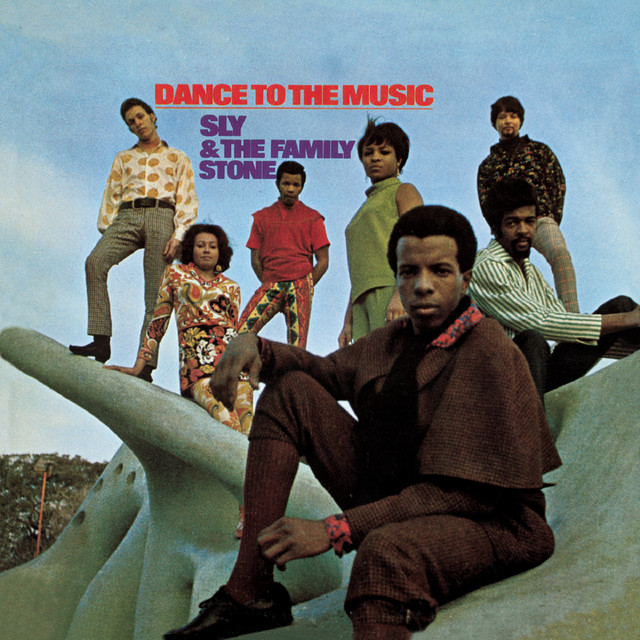
When Sly & The Family Stone released "Dance to the Music" in 1967, it wasn’t just another hit single; it was a revolutionary call to the dance floor. The song burst forth from the underground club scene of San Francisco, where the boundaries of race, gender, and genre blurred into a vibrant new culture. This track, part of their second studio album also titled Dance to the Music released in April 1968, embodied the spirit of a generation eager for change.
Clubs as Cultural Hubs
During the late 1960s, underground clubs like the Fillmore and the Avalon Ballroom became the epicenters of a musical and social revolution. These venues welcomed diverse crowds and were breeding grounds for experimentation in music and performance. Artists from various backgrounds collaborated, and the energy of these clubs laid the groundwork for what would become funk and soul.
Funk's Invitation to Dance
At its core, "Dance to the Music" was an invitation for everyone to come together and celebrate. The opening lines set the tone:
This repetitive mantra was not just catchy; it was a directive, urging people to put aside their differences and unite through the power of rhythm."Dance to the music, dance to the music, dance to the music."
The Role of Sly Stone
Sly Stone, the band's visionary leader, was heavily influenced by the eclectic sounds he encountered in these clubs. His ability to blend rock, soul, and psychedelia reflected the diverse musical influences swirling around him. In many ways, Stone was a product of the underground scene, and his music captured its essence.
Community and Diversity
The Family Stone was notable for its diverse lineup. With members of different races and genders, they challenged the norms of the music industry. This diversity mirrored the audiences in those underground clubs, where the communal experience of dancing was paramount. The song's lyrics emphasize this spirit of inclusion:
This line encapsulates the essence of freedom in expression that these clubs fostered."You might not like it, but I don't care."
Fusing Genres
Sly & The Family Stone’s sound was a melting pot. They fused elements of funk, rock, and jazz, which was a direct reflection of the musical experimentation happening in the underground scene. Tracks like "Dance to the Music" were structured to engage the audience directly. Dance breaks and call-and-response sections were designed to keep the energy high and the crowd involved.
Impact on Future Generations
The influence of clubs on Sly & The Family Stone extended well beyond their era. They set the stage for countless artists who followed, from Prince to OutKast, who also embraced the ideals of unity and diversity. The legacy of "Dance to the Music" continues to echo in today’s music, reminding us of the power of communal celebration.
A Lasting Legacy
As we look back, it’s clear that the underground clubs of the 1960s played a crucial role in shaping the sound and message of Sly & The Family Stone. "Dance to the Music" is more than just a song; it’s a historical landmark that reflects a time when music transcended barriers and became a collective heartbeat.
Interesting fact: Sly & The Family Stone was the first major American rock band to have a racially integrated lineup, which was a significant statement during the civil rights movement.