Unraveling the Tasks
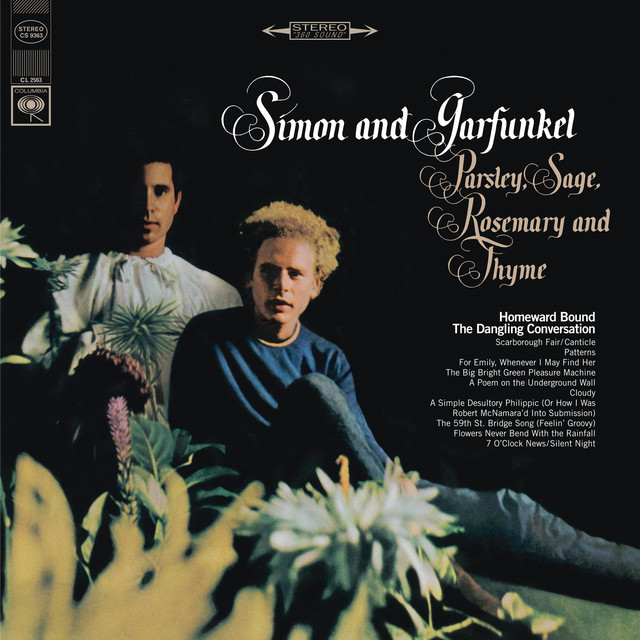
Simon & Garfunkel’s "Scarborough Fair/Canticle," released in 1967 on the album Parsley, Sage, Rosemary and Thyme, is a hauntingly beautiful piece rooted in English folk tradition. The song's narrative revolves around a series of impossible tasks that the protagonist sets for a messenger heading to Scarborough Fair. These tasks, steeped in symbolism, not only reflect the complexities of love but also illuminate the often unrealistic expectations we impose on our relationships.
The Folklore Influence
The melody used by Simon & Garfunkel was popularized by folk singer Mark Anderson in 1947, and it carries with it a weight of historical significance. The original folklore surrounding Scarborough Fair features similar themes of unattainable quests, which serve as metaphors for the trials of romantic love. By placing these impossible tasks at the core of their song, Simon & Garfunkel connect the past with the present, highlighting the timeless nature of love's challenges.
Symbolism of the Tasks
The tasks laid out in the song—"Tell her to make me a cambric shirt / Parsley, sage, rosemary and thyme"—are not merely whimsical. Each task represents the weight of expectations that often accompany love. They are burdensome and, in many ways, absurd. The protagonist's request for a shirt without seams or a needle is an impossible endeavor, a reflection of the unattainable ideals we sometimes chase in relationships.
"Tell her to make me a cambric shirt / Parsley, sage, rosemary and thyme"
Love and Its Challenges
What Simon & Garfunkel articulate through these tasks is the disillusionment that can arise when love is viewed through a lens of expectation. The notion that love requires perfect conditions or unattainable feats is a common pitfall. The repeated refrain of the herbs, traditionally associated with love and fidelity, further complicates the narrative, suggesting that while love may be noble, it is also fraught with difficulty.
The Canticle's Reflection
The second half of the song, known as "Canticle," shifts focus to themes of war and peace, underscoring the duality of human experience. It serves as a counterpoint to the first half, suggesting that beyond the romantic struggles, there are larger societal battles that echo our personal ones. This juxtaposition invites listeners to consider how personal relationships can be reflective of broader conflicts, both internal and external.
The Personal Connection
The requests made in the song can be seen as a metaphor for the emotional labor required in relationships. The idealized partner is expected to fulfill these impossible tasks, which can lead to frustration and distance. The song's protagonist doesn’t just ask for a shirt; he asks for the embodiment of love’s perfection, which is elusive and often unattainable. This speaks volumes about the fragility of relationships and the unrealistic standards we sometimes hold ourselves and others to.
Fun Fact: The song's blend of traditional folk elements with contemporary themes helped redefine the folk-rock genre during the 1960s.
Conclusion: Reflecting on Relationships
Ultimately, "Scarborough Fair/Canticle" serves as a poignant reminder of the complexities inherent in love and relationships. The impossible tasks symbolize the unrealistic expectations we often attach to our partners, urging us to reflect on what it means to love authentically. As we navigate our own Scarborough Fairs, we must ask ourselves: Are we setting impossible tasks, or are we embracing the imperfections that make love truly meaningful?