Unearthing the Roots
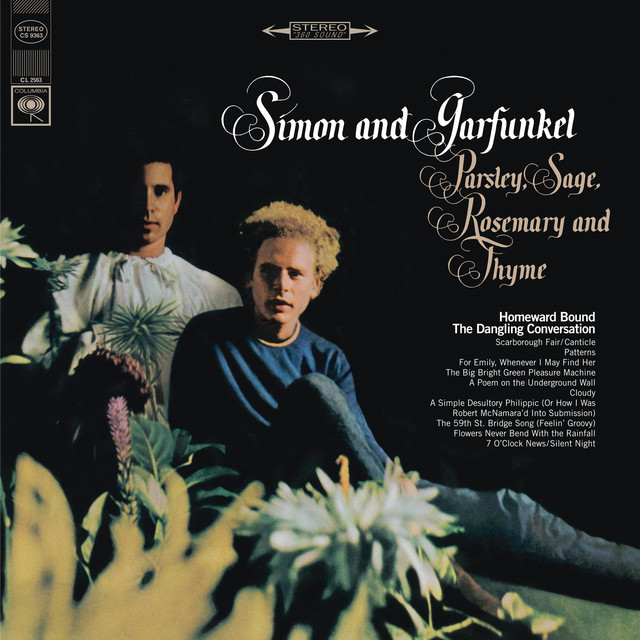
When Simon & Garfunkel released "Scarborough Fair/Canticle" in 1966, they didn't just bring a haunting melody to the mainstream; they resurrected a piece of musical history that dates back centuries. The origins of this ballad can be traced to medieval England, where the fair itself was an important social and economic event, particularly in the town of Scarborough on the Yorkshire coast.
The version popularized by the duo was rooted in a melody sung to Ewan MacColl by Mark Anderson in 1947, showcasing the song's journey through the folk revival of the 20th century. This earlier rendition preserved an essence that Simon & Garfunkel would later elevate to new heights, intertwining it with contemporary issues of love and conflict.
Tradition Meets Modernity
Folk music has always been about storytelling, and "Scarborough Fair" is no exception. The lyrics reflect a series of impossible tasks, such as “Tell her to make me a cambric shirt,” which serve as a metaphor for unattainable love. These tasks, drawn from the tradition of courtly love, echo throughout history, and Simon & Garfunkel's interpretation brings a modern sensibility to ancient themes.
In their version, the haunting refrain of "Are you going to Scarborough Fair?" carries a sense of yearning that transcends time. The ethereal quality of Art Garfunkel's vocals juxtaposed with the soft strumming of Paul Simon's guitar creates a sonic landscape that feels both timeless and deeply personal.
More Than Just a Song
While many may see "Scarborough Fair" as merely a nostalgic nod to the past, its implications are far-reaching. The song's intertwining of the original melody with new lyrics creates a dialogue between generations. The duality of the piece, where the second half, "Canticle," reflects on the futility of war, adds a layer of depth that challenges listeners to consider the cyclical nature of human experience.
“Are you going to Scarborough Fair? / Parsley, sage, rosemary and thyme.”
This refrain invites the listener into a world where the herbs symbolize comfort and healing amidst heartache and loss. The choice of these specific herbs is no accident; they have long been associated with protection and remembrance in folk traditions.
The Legacy of Folk Music
Simon & Garfunkel’s rendition didn’t just revive a song; it revitalized interest in folk traditions and their relevance. The duo was part of a larger movement that sought to reclaim folk music as a vital form of expression, bridging the gap between past and present. Their work inspired countless artists to explore similar themes, ensuring that the stories of old continue to be told.
Interestingly, "Canticle" was also featured in Paul Simon's first solo effort, The Paul Simon Songbook, suggesting that the themes of love and conflict were always central to his songwriting.
In many ways, "Scarborough Fair/Canticle" serves as a reminder of the power of folk music to transcend time and place. It’s a song that reflects the human condition, weaving together the threads of love, loss, and the enduring nature of tradition. As we listen to it today, we engage not just with Simon & Garfunkel but with a lineage of storytelling that stretches back to medieval fairs, reminding us that some tales never truly fade away.