Isolation as a Defense Mechanism
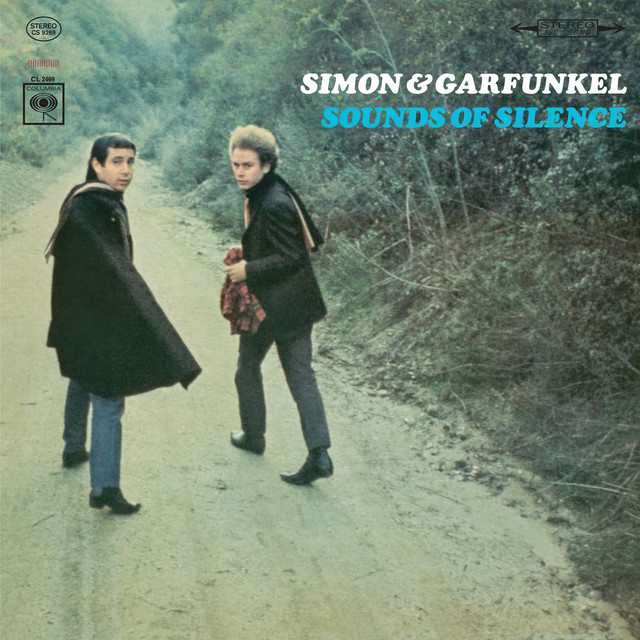
Released in 1965 as the opening track of The Paul Simon Songbook, 'I Am a Rock' stands as a poignant exploration of emotional isolation. Paul Simon's lyrics encapsulate the existential angst of a character who chooses solitude over vulnerability. This decision speaks volumes about the human condition, reflecting existential philosophy's core idea: existence precedes essence.
The Weight of Emotional Detachment
In the song, the narrator declares,
This bold proclamation reveals a conscious retreat into self-imposed barriers, mirroring existentialists like Jean-Paul Sartre, who argue that individuals often create their own prisons. The character's refusal to engage with the outside world can be interpreted as a form of self-protection, yet it raises questions about the cost of such detachment."I am a rock, I am an island."
Existential Loneliness
Simon’s narrator goes on to assert,
This resignation to a life devoid of emotional connection encapsulates a bleak existential truth: in seeking to avoid pain, one also denies the possibility of joy. The existentialist perspective posits that true meaning arises from our relationships and experiences, which this narrator shuns in favor of isolation."And a rock feels no pain; and an island never cries."
Confronting the Void
The song's stark imagery also aligns with the existential theme of confronting the void. The narrator's choice to live in isolation speaks to a deeper existential dread—the fear of meaningless existence. By constructing a fortress of solitude, the narrator believes he can evade life's unpredictability. However, this avoidance only deepens his sense of despair, a common theme in existential literature.
Artistry and Influence
Produced by Paul Simon himself, the song's minimalist acoustic arrangement amplifies its themes. The simplicity of the instrumentation reflects the starkness of the narrator's emotional state. In this way, the music complements the lyrics, creating an immersive experience that underscores the weight of existential thought.
Simon originally performed 'I Am a Rock' in 1964 for his solo album, showcasing early signs of his lyrical genius.
A Timeless Reflection
Over the decades, 'I Am a Rock' has remained relevant, resonating with listeners who grapple with their isolation in an increasingly disconnected world. The song serves as a reminder of the existential struggle that lies within us all, highlighting the delicate balance between self-protection and the need for connection.
The Existential Paradox
Ultimately, Simon's work challenges us to consider the paradox of existence: the desire for connection versus the instinct to isolate. As the narrator reinforces his rock-like nature, the listener is left to ponder the implications of such a choice. Is it truly better to feel nothing than to risk the pain of engagement?