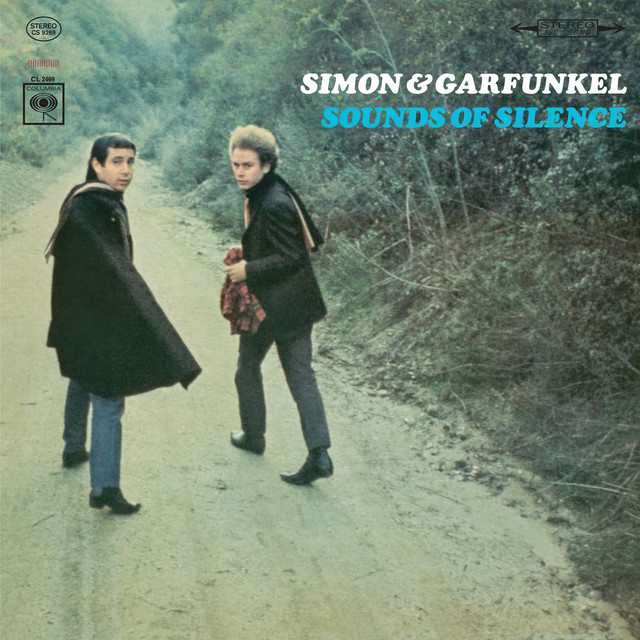
The Weight of Stardom
Released in 1966 on the album Parsley, Sage, Rosemary and Thyme, "I Am a Rock" showcases Paul Simon's poignant lyricism and the duo's signature harmonies. But beyond its catchy melody, the song reveals a deeper examination of emotional detachment and the repercussions of fame. Simon, alongside Art Garfunkel, navigated the tumultuous waters of celebrity, which often left them feeling isolated.
A Reflection of Personal Struggles
The lyrics portray a narrator who purposely builds walls around himself, declaring,
This line encapsulates the desire to shield oneself from the pain of relationships and the vulnerabilities that accompany them. For Simon and Garfunkel, the pressures of fame often forced them into similar emotional retreats, making genuine connections difficult."I am a rock, I am an island."
Fame's Lonely Toll
As they rose to prominence in the 1960s, Simon and Garfunkel became icons, but with that status came an overwhelming sense of isolation. The song's narrator insists,
This sentiment reflects their struggle to maintain authenticity amidst the relentless spotlight. The allure of fame can often mask the loneliness it brings, a concept Simon poignantly unpacks."And a rock feels no pain; and an island never cries."
Musical Arrangement and Production
Produced by the legendary Bob Johnston, the arrangement of "I Am a Rock" is stark yet powerful, featuring Simon's acoustic guitar paired with Garfunkel's haunting harmonies. The minimalist instrumentation mirrors the emotional barrenness expressed in the lyrics, amplifying the sense of isolation. It’s a clever artistic choice that reinforces the theme of emotional withdrawal.
Personal vs. Public Persona
The duality of public persona and private self is another layer of the song's complexity. As the duo faced increasing scrutiny from fans and media, their real selves often got lost in translation. The repeated refrain of being a rock and island serves as a mantra for self-preservation, echoing the internal conflict they faced as artists: how to remain true to oneself while navigating the turbulent waters of fame.
Legacy and Continued Relevance
More than half a century later, "I Am a Rock" remains relevant, especially in an age where social media amplifies the isolation many feel despite being constantly connected. The song serves as a cautionary tale about the costs of emotional detachment, reminding listeners that walls may protect us, but they also keep us from experiencing life fully.
Conclusion: A Timeless Message
Simon and Garfunkel's struggle with fame and isolation is timeless, and "I Am a Rock" serves as a raw, honest reflection of that experience. By articulating their pain through such a compelling narrative, they invite listeners to reflect on their own relationships and the barriers they erect in the face of vulnerability. In the end, the song stands as a testament to the human condition — the desire for connection despite the fear of hurt.
Did you know? "I Am a Rock" was initially performed by Paul Simon in a solo format before becoming a Simon & Garfunkel classic.