Spiritual Foundations: A Testament to Gospel Influence
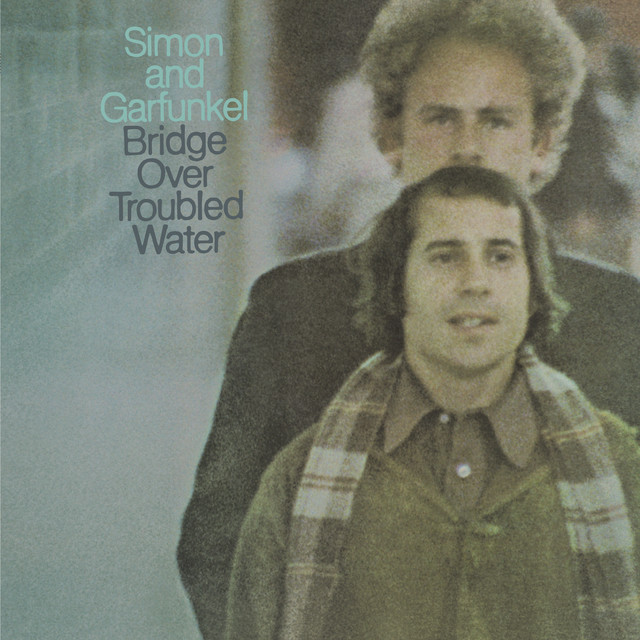
'Bridge Over Troubled Water' is more than just a folk rock anthem; it is a profound expression shaped significantly by the gospel tradition. Released in January 1970 as the second single from Simon & Garfunkel's final studio album of the same name, the song showcases a blend of musical styles that pays homage to its spiritual roots.
The song's arrangement, particularly the soaring piano and orchestral strings, echoes the lush production characteristic of gospel music. Produced by the legendary Fred Carter Jr., the track's instrumentation elevates the emotional weight of the lyrics, channeling the uplifting essence often found in gospel hymns.
Paul Simon: A Gospel Sensibility
Paul Simon's songwriting in 'Bridge Over Troubled Water' reflects a deep understanding of the gospel's themes of comfort and reassurance. The opening lines, delivered with a gentle grace, set the stage for a narrative of support and empathy. Simon's lyrics often reflect a desire to provide solace, much like the hymns that have comforted listeners for generations.
"When you're weary, feeling small, when tears are in your eyes..."
These lines evoke the familiar language of spirituals, where the singer often seeks to assure others of their worth and the promise of better days. The song’s protagonist takes on the role of a guide, a sentiment deeply rooted in gospel music's tradition of community and support.
Art Garfunkel's Soulful Delivery
Art Garfunkel’s vocal performance is another crucial element that brings the gospel influence to the forefront. His soaring falsetto elevates the track, reminiscent of gospel greats like Sam Cooke or Mahalia Jackson. The way Garfunkel delivers the climactic line, "I will lay me down," transforms a simple promise into a powerful declaration of love and support.
Garfunkel's ability to convey vulnerability yet strength mirrors the essence of gospel music, where emotional honesty reigns supreme. This duality is essential in the song, allowing listeners to feel both the depth of despair and the hope for deliverance.
Contextualizing the Era
The late 1960s and early 1970s were rife with social upheaval and change, and music often served as a balm for troubled spirits. In this climate, 'Bridge Over Troubled Water' emerged as an anthem of reassurance, its gospel influences resonating with audiences seeking solace amidst chaos. The song's success, peaking at No. 1 on the Billboard Hot 100, speaks to its universal appeal and relevance.
Interesting fact: 'Bridge Over Troubled Water' won five Grammy Awards in 1971, including Record of the Year and Song of the Year.
Simon & Garfunkel were not alone in drawing from the gospel tradition; many artists of that era were influenced by its message of hope. However, the duo's ability to weave these elements into their unique sound set them apart, creating a song that feels both timeless and deeply rooted in the spiritual.
Legacy of a Gospel Classic
Today, 'Bridge Over Troubled Water' stands as a testament to the enduring impact of gospel music. It has been covered by countless artists across various genres, each interpreting the song through their musical lens while acknowledging its roots. From Aretha Franklin’s powerful rendition to the more contemporary versions by artists like Johnny Cash, the song continues to inspire and uplift.
As we revisit Simon & Garfunkel’s classic, it’s essential to recognize the profound influence of gospel music that shaped its creation. The blend of heartfelt lyrics, emotive vocals, and rich instrumentation culminates in a piece that transcends its era, connecting with listeners on a spiritual level. This is the legacy of 'Bridge Over Troubled Water'—a bridge built on the foundations of hope and community, forever linking us to its gospel roots.