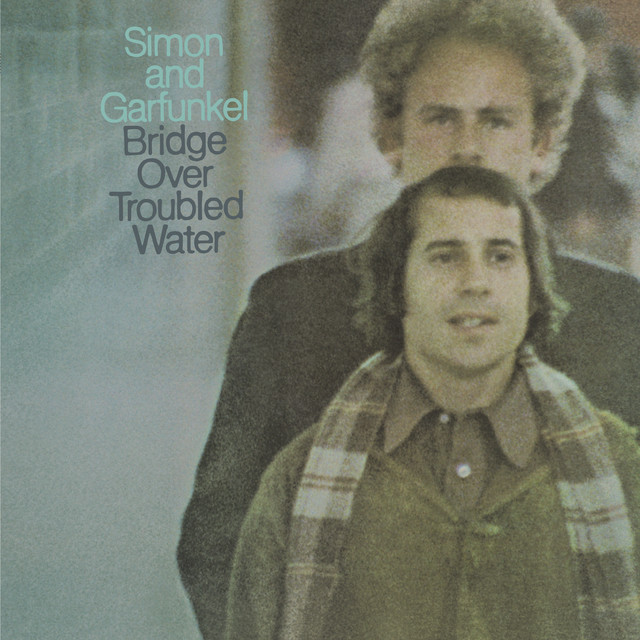
Studio Perfection and the Birth of an Anthem
Released on January 26, 1970, as part of Simon & Garfunkel's final studio album, Bridge Over Troubled Water, the title track quickly became a benchmark for folk rock. The duo, consisting of Paul Simon and Art Garfunkel, crafted a song that went beyond mere musicality; it became a beacon of hope during tumultuous times. Produced by the legendary Roy Halee, the studio version is characterized by its lush orchestration and Garfunkel's soaring vocal performance.
In the opening lines, the listener is met with a sense of solace that captures the essence of the song:
This lyric serves as an invitation into a world of empathy and support, setting the stage for the emotional journey that follows."When you're weary, feeling small..."
The Song's Cultural Resonance
Upon its release, Bridge Over Troubled Water struck a chord with audiences. The late 1960s and early 1970s were marked by social upheaval, and Simon & Garfunkel became the soundtrack for a generation grappling with change. The song's themes of comfort and reassurance echoed in the hearts of those dealing with personal and collective strife.
The production choices, including the sweeping strings and piano arrangements, created a soundscape that was both grand and intimate. Garfunkel's vocal delivery—emotive yet technically flawless—set a new standard for pop ballads. It was a far cry from the stripped-down folk sound that initially defined the duo.
Live Performances: A Transformative Experience
While the studio version remains an iconic piece of music history, it was the live performances that elevated Bridge Over Troubled Water to legendary status. Captured in various concerts, the song morphed into a communal experience. The duo's chemistry, paired with Garfunkel's breathtaking high notes, turned each performance into a cathartic event.
One standout moment occurred during their 1970 concert at New York's Central Park, where an estimated 500,000 fans gathered. As Garfunkel sang, the crowd swelled with emotion, creating a moment of unity that transcended the music itself. The refrain,
became a collective mantra, echoing through the park and solidifying the song's status as an anthem of hope."I will lay me down..."
The Legacy Continues
Over the years, Bridge Over Troubled Water has been covered by countless artists, each bringing their interpretation while still paying homage to Simon & Garfunkel's original. From Aretha Franklin's soulful rendition to the more recent versions by artists like Elvis Presley, the song's ability to adapt and resonate with new audiences speaks volumes about its timelessness.
Even today, the song continues to be a point of reference in discussions about mental health and emotional support. It’s not just a relic of the past but a living piece of art that evolves with each performance.
The song won five Grammy Awards in 1971, including Record of the Year and Song of the Year, further cementing its place in music history.
Conclusion: A Bridge That Never Falls
From its inception in the studio to its evolution on stage, Bridge Over Troubled Water represents more than just a song; it is a bridge over the troubled waters of life. The emotional weight carried by Simon & Garfunkel's masterpiece endures, reminding us of the power of music to heal, connect, and inspire.