The Birth of a Collaboration
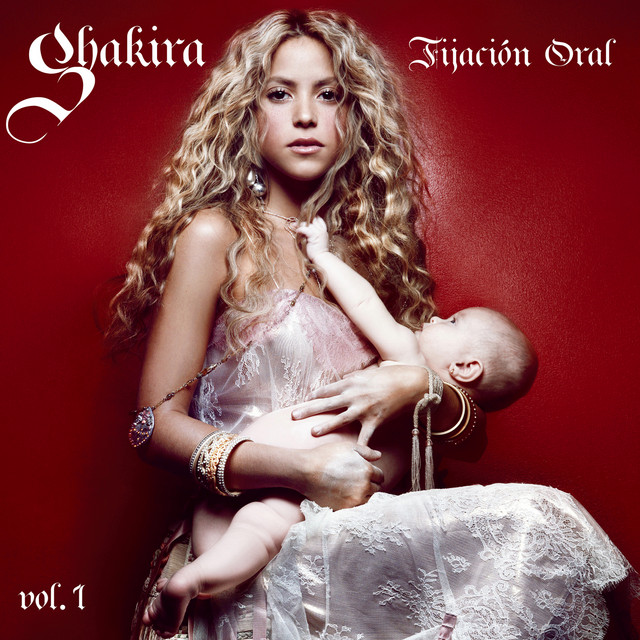
When Shakira released "La Tortura" in 2005 as part of her album Oral Fixation, Vol. 1, few anticipated the impact it would have on Latin pop and reggaeton. The Colombian superstar's decision to collaborate with Alejandro Sanz, a Spanish balladeer known for his romantic flair, was a bold move that fused elements of reggaeton and dancehall with heartfelt lyrics.
Shakira had spent the early 2000s carving out a unique niche, blending rock, pop, and Latin rhythms. Sanz, on the other hand, was already a household name in Spanish-speaking countries, celebrated for his poetic songwriting. Their collaboration was not just a merging of two different sounds but also two vastly different artistic philosophies.
Musical Elements and Production
Produced by the talented duo of Shakira and her longtime collaborator, Luis Fernando Ochoa, "La Tortura" is characterized by its infectious reggaeton beats layered with dancehall influences. The rhythmic pulse creates an irresistible groove that compels listeners to move. This was a calculated risk, as reggaeton was still an emerging genre in the mainstream, but Shakira had the vision to take it there.
The instrumentation is deceptively simple, yet it allows the emotional weight of the lyrics to shine through. The song's theme revolves around the pain of love and longing, encapsulated perfectly in the line:
"Eres como el aire que respiro, mi tortura"
This line translates to "You are like the air I breathe, my torture," showcasing both desire and heartbreak in a way that is universally relatable.
The Impact of 'La Tortura'
Upon its release, "La Tortura" became an instant hit, topping charts across Latin America and even breaking into English-speaking markets. It paved the way for other Latin artists to experiment with cross-genre collaborations. The song's blend of Shakira's playful vocals and Sanz's emotive delivery created a dynamic that captivated audiences.
What makes this collaboration stand out is not just the music but the chemistry between the two artists. Their contrasting styles complement each other, with Shakira's vibrant energy balancing Sanz's more melancholic tone. This balance is evident throughout the song, making it a timeless classic.
Behind the Scenes
The story behind the collaboration is equally fascinating. Reports indicate that Shakira and Sanz had a mutual admiration for each other's work long before they came together for this track. Their friendship played a critical role in the creative process, allowing them to explore themes of love and heartbreak with authenticity.
Interestingly, the chemistry was palpable even in the music video, where they share an undeniable connection, enhancing the song's narrative of longing. The visuals, combined with the infectious rhythm, solidified "La Tortura" as a cultural phenomenon.
"La Tortura" won a Latin Grammy for Record of the Year, highlighting its cultural and musical significance in the Latin music scene.
Conclusion: A Lasting Legacy
The collaboration between Shakira and Alejandro Sanz in "La Tortura" represents a turning point in Latin pop music. It opened doors for future artists to blend genres and reach broader audiences. The song’s ability to encapsulate the nuances of love while remaining danceable is a testament to the creativity and vision of both artists.
As we reflect on the impact of "La Tortura," it’s clear that this unexpected partnership not only elevated both artists' careers but also shaped the landscape of Latin music for years to come.