Tradition Meets Modernity
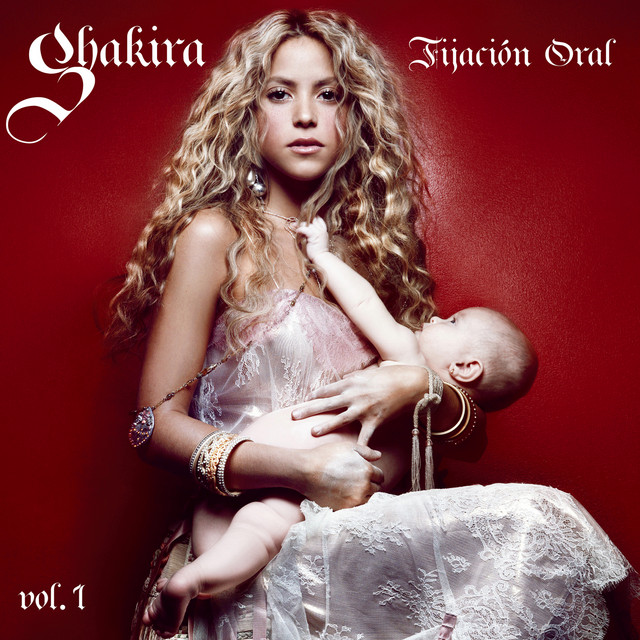
Shakira's "La Tortura" featuring Alejandro Sanz is more than just a chart-topping hit; it's a cultural conversation that bridges traditional Colombian folklore with contemporary music styles. Released in 2005 as part of her sixth studio album, Oral Fixation, Vol. 1, the song embodies a vibrant mix of reggaeton beats and dancehall elements, yet its roots are deeply entrenched in the rich tapestry of Colombian music.
The Echoes of Folklore
The instrumentation in "La Tortura" hints at the influence of Colombian folk rhythms, particularly the traditional sounds of cumbia and vallenato, which have long been staples of the country's musical identity. This blend not only showcases Shakira's heritage but also offers a fresh perspective on how these genres can coexist with modern pop and urban beats.
"No te quiero perder, no quiero perderte"
These lyrics encapsulate the emotional turmoil central to the song, echoing the storytelling tradition of folk music where personal narratives are woven into the fabric of sound. The urgency in her delivery is reminiscent of the way Colombian folk singers express longing and heartbreak, making the song feel both universal and intimately local.
Collaboration and Cultural Fusion
Featuring Alejandro Sanz, a prominent figure in Spanish pop, the collaboration adds another layer of depth to the track. Sanz's smooth vocals complement Shakira's powerful delivery, creating a dialogue that reflects both artists' roots. Their chemistry is palpable, bringing forth a shared cultural narrative that resonates with audiences across the Spanish-speaking world.
Shakira wrote "La Tortura" during a period when she was actively exploring her Colombian identity, which is evident in her incorporation of folkloric elements.
Global Appeal
Despite its strong Colombian influences, "La Tortura" found a massive audience beyond Latin America, even making waves in English-speaking markets. This crossover success speaks to Shakira's ability to blend her cultural heritage with global pop sensibilities. By doing so, she not only introduces Colombian folklore to a wider audience but also challenges the stereotypical boundaries of Latin music.
Conclusion: A Cultural Statement
Ultimately, "La Tortura" stands as a testament to the power of cultural fusion. Shakira's ability to weave Colombian folklore into a modern pop framework not only honors her roots but also paves the way for a new generation of artists. The song is a celebration of love, pain, and cultural identity, proving that music remains a profound means of storytelling across all borders.