From Studio to Stage: A Journey of Emotion
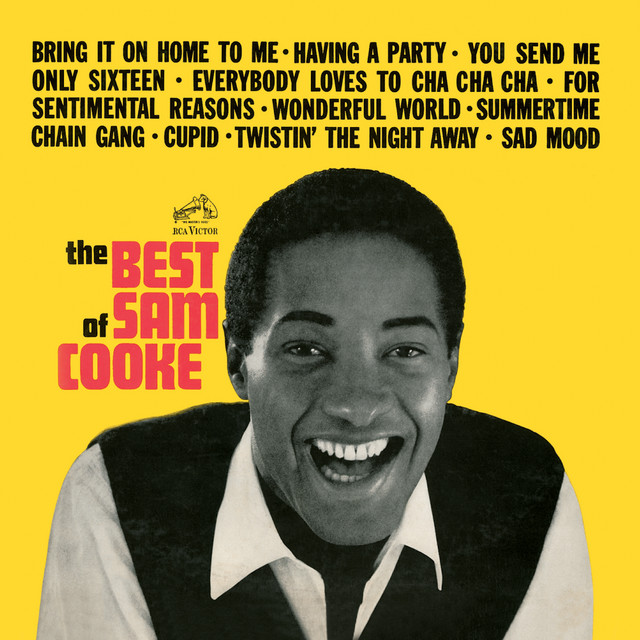
Sam Cooke's "Sad Mood," released on November 8, 1960, is a masterclass in conveying raw emotion through music. Initially recorded as part of his album, "The Wonderful World of Sam Cooke," the song emerged in a period of profound artistic growth for the legendary singer-songwriter. Cooke, who was already gaining traction with hits like "Chain Gang," showcased a stark vulnerability in this track, allowing listeners to connect with his melancholy.
The Weight of the Lyrics
The lyrics of "Sad Mood" paint a vivid picture of heartache and longing. Cooke's plaintive delivery, underscored by the lush arrangement of Sammy Lowe, turns a simple expression of sadness into a deeply felt musical experience. The refrain captures the essence of despair:
. This line transcends mere words; it reflects Cooke's ability to infuse pain into melody, a hallmark of his artistry."I feel so sad, I could cry"
Translating Emotion Live
When Cooke took "Sad Mood" to the stage, the emotional depth intensified. Live performances became a ritual of catharsis, with Cooke often extending the song's instrumental breaks to let the audience feel the weight of each note. The way he swayed with the rhythm, eyes closed, seemed to invite listeners into his world of sorrow. The live renditions allowed for spontaneous vocal flourishes that further emphasized his emotional state, making each performance unique.
Contextualizing the Release
Released during a pivotal moment in Cooke's career, "Sad Mood" arrived after his chart-topping success with songs like "You Send Me" and "Chain Gang." The late 1950s and early 1960s marked a turning point in American music, as artists began to tackle more complex emotional themes. Cooke's exploration of sadness in this track mirrored the societal changes of the time, reflecting the struggles and aspirations of a generation.
The Arrangement's Role
Sammy Lowe's orchestral arrangement played a crucial role in shaping the song’s emotional landscape. The lush strings and subtle brass accents function not just as a background but as a partner to Cooke’s voice. The arrangement swells at key moments, amplifying the sentiment without overshadowing the singer's heartfelt delivery.
Audience Connection
Listeners have often remarked on how "Sad Mood" resonates with their own experiences of loss and heartache. In live settings, Cooke's authenticity forged a bond with audiences, transforming personal pain into a shared experience. His ability to convey sorrow without losing hope made the song a staple in his performances.
Legacy of 'Sad Mood'
Even decades after its release, "Sad Mood" remains relevant, a testament to Cooke's timeless artistry. The song's evolution from a studio recording to a poignant live staple illustrates how music can serve as both a personal refuge and a collective experience. Cooke's ability to articulate sadness has influenced countless artists, echoing through the genres of soul and beyond.
Interesting fact: "Sad Mood" was part of Cooke's campaign to broaden the emotional range of pop and soul music during the 1960s.