The Weight of Sadness
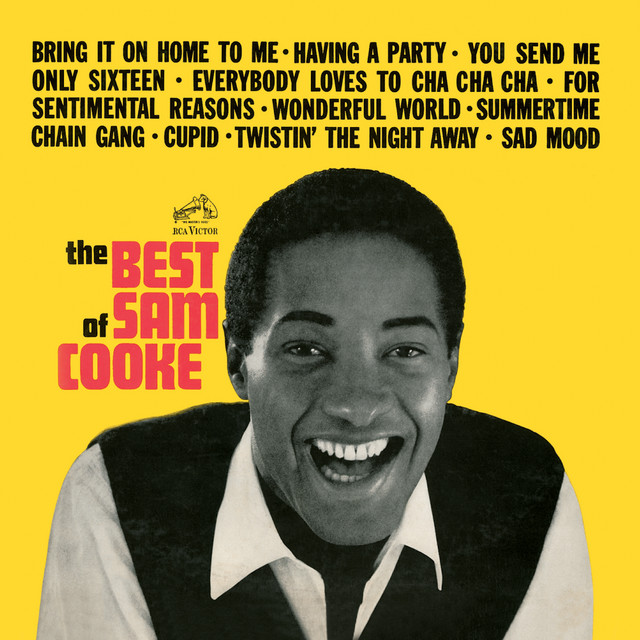
Released on November 8, 1960, Sam Cooke's "Sad Mood" is more than just a melancholic tune; it's a raw reflection of his internal struggles during a time marked by profound societal turmoil. With the Civil Rights Movement gaining momentum, Cooke's music often oscillated between personal sorrow and collective grief. This track, arranged by Sammy Lowe, captures a moment where both aspects collide.
A Personal Connection to Grief
Cooke's lyrics in "Sad Mood" delve into the depths of despair, mirroring the emotional weight he carried during this tumultuous period. The song's somber tone resonates with listeners who have felt the sting of loss. While the lyrics speak to personal heartache, they also reflect a broader cultural sorrow that permeated the African American experience in the 1960s.
"I’ve got a sad mood, I’ve got a sad mood"
These lines echo the loneliness that Cooke felt, possibly exacerbated by the struggles of his community. His melancholy isn't just about heartbreak; it intersects with the pain of watching friends and family face systemic oppression.
Contextualizing Loss Amidst Struggle
In the same year, Cooke released "Chain Gang," a song that starkly highlights the dehumanizing effects of racism and labor exploitation. Both tracks showcase his ability to weave personal and political narratives seamlessly. While "Chain Gang" addresses the plight of African Americans directly, "Sad Mood" internalizes that struggle, turning it into an expression of personal grief.
Lyrical Depth and Emotional Resonance
What makes "Sad Mood" particularly striking is the way Cooke's smooth vocal delivery contrasts with the heavy subject matter. His voice carries a sense of vulnerability, inviting listeners to share in his sorrow. The juxtaposition of his typically uplifting style with such a somber theme underscores the complexity of his artistry.
"And I can’t seem to find my way"
This line encapsulates the existential crisis not just of an individual but of a people grappling with their identity and place in a society rife with injustice. Cooke's ability to articulate this struggle through his music is a testament to his role as both an artist and an activist.
Legacy of Emotional Honesty
Cooke’s work during this period laid the groundwork for future artists to explore themes of loss and social justice. His willingness to express vulnerability opened doors for musicians to address personal pain within a broader context of societal issues. In a way, "Sad Mood" serves as a precursor to the deeply personal narratives that would come to characterize much of soul and R&B music in the ensuing decades.
Interesting fact: Sam Cooke was not only a singer but also a key figure in the Civil Rights Movement, using his platform to advocate for change.
Ultimately, "Sad Mood" stands as a powerful reminder of the intersection between personal grief and collective struggle. In a world that often demands emotional stoicism, Cooke’s willingness to express his sadness serves as both a cathartic release and a call to acknowledge the pain that exists within and around us.