The Birth of a Party Anthem
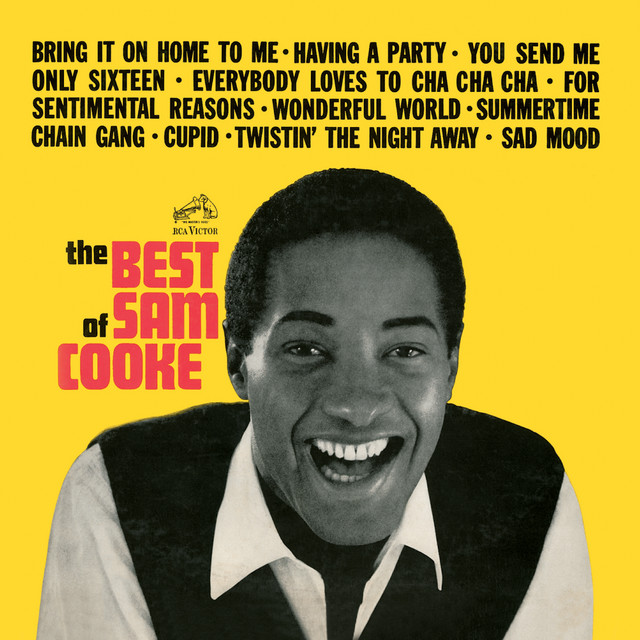
Released on May 8, 1962, Sam Cooke's "Having a Party" became an instant classic, encapsulating the spirit of a generation eager to celebrate life amidst the tumult of the civil rights movement and shifting social norms. Cooke, with his smooth vocals and infectious energy, crafted an anthem that was less about the music itself and more about the experience of togetherness and joy.
A Soundtrack to Social Change
As America grappled with significant social upheaval in the 1960s, Cooke’s upbeat tune offered a counter-narrative. The song, produced by Hugo & Luigi, was a celebration of community and camaraderie, providing a sonic escape. Lyrics like
perfectly captured the essence of a generation that sought both liberation and connection through dance and music."We’re having a party, dancing to the music, played by the DJ on the radio"
Setting the Stage for Festivals
"Having a Party" didn’t just resonate in living rooms; it became a staple at burgeoning music festivals across the country. The early 1960s marked the beginning of the music festival era, with events like the Newport Folk Festival and later the Monterey Pop Festival becoming platforms for cultural expression. Cooke’s energetic vibe was a guiding force at these gatherings, encouraging attendees to let loose and embrace the moment.
Did you know? "Having a Party" was a major influence on the creation of later party anthems by artists like James Brown and The Temptations, who embraced similar themes of joy and togetherness.
A New Dancefloor Identity
The song’s catchiness and danceability helped forge a new identity on the dance floors of America. Clubs and parties responded to its infectious rhythm, defining the sound of social gatherings. Cooke's work paved the way for a generation of artists to follow suit, recognizing the power of music to unite people in celebration.
Legacy of a Cultural Icon
Cooke's influence reached far beyond his own recordings. The sound and spirit of "Having a Party" can be traced through the evolution of soul and funk, ultimately impacting the disco era of the 1970s. Songs designed to get people to move were built on the foundation laid by Cooke, proving that celebration is core to the human experience.
Bridging Divides Through Music
As the civil rights movement progressed, music became a crucial vehicle for change. "Having a Party" was a reminder of the joys that could exist even in challenging times. The song's universal themes of joy and community allowed it to transcend racial and cultural barriers, making it a favorite among diverse audiences.
The Enduring Influence
Today, the echoes of Cooke's party anthem can still be heard in contemporary music. Modern artists continue to draw inspiration from his work, creating tracks that encourage celebration and togetherness. Festivals and parties remain a vital part of music culture, with Cooke's legacy living on in the joy they bring.
Ultimately, "Having a Party" by Sam Cooke is more than just a song; it’s a cultural artifact that helped define an era. Its message of unity and joy continues to inspire, reminding us that in music, as in life, we can always find a reason to celebrate.