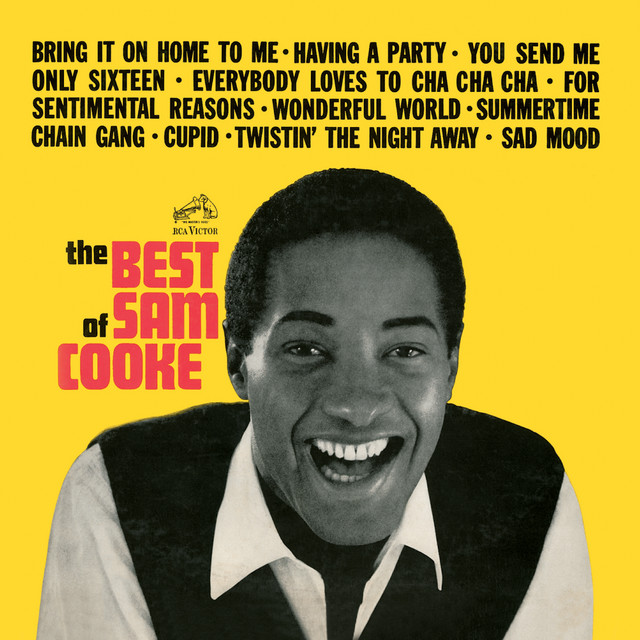
A Celebration of Joy
Sam Cooke's "Having a Party" is more than just a catchy tune; it's a testament to the singer's deep roots in gospel music. Released on May 8, 1962, by RCA Victor, the song bursts with an infectious energy that mirrors the jubilant spirit of Cooke's earlier work in the church. The production by Hugo & Luigi elevates this track into a jubilant anthem, blending pop sensibilities with Cooke's soulful croon.
The Gospel Influence
Cooke's transition from gospel to pop was not a departure but rather an evolution. His early career with the Soul Stirrers laid the groundwork for his understanding of rhythm and vocal delivery. The call-and-response style, a staple of gospel music, finds its way into "Having a Party," where Cooke invites listeners to join in the celebration. Lines like "We’re having a party, dancing to the music" reflect that communal joy often found in church gatherings.
Musical Arrangement
The arrangement of "Having a Party" is a carefully crafted blend of rhythm and melody that encourages movement. The upbeat tempo and lively instrumentation evoke the feeling of a community gathering, echoing the warmth of Cooke's gospel roots. The horns punctuate the rhythm, reminiscent of the exuberant praise found in gospel performances.
A Celebration of Togetherness
In a time when social gatherings were often a respite from societal struggles, Cooke's lyrics serve as an invitation to unity. The song captures a moment of joy, making it timeless. It’s as if Cooke is saying, despite everything happening in the world, it’s essential to come together and celebrate life. The mantra of having a good time transcends the song itself, making it a staple at parties and celebrations even today.
Contrast to 'Wonderful World'
Cooke's ability to blend themes of joy and reflection is also evident when comparing "Having a Party" to his earlier hit, "(What A) Wonderful World." While the latter reflects on the beauty of life with its contemplative lyrics, "Having a Party" is a direct counterpoint. The shift from introspection to celebration showcases Cooke's versatility as an artist. Both songs highlight his mastery in conveying deep emotion through music, whether it's the melancholy of life's observations or the exuberance of a good time.
Cultural Impact
The influence of Cooke’s gospel roots on "Having a Party" extends beyond musical structure; it resonates with cultural significance. The song became an anthem during the civil rights movement, symbolizing hope and resilience. The celebratory mood provided a counter-narrative to the struggles of the time, illustrating how music can serve as both a refuge and a rallying cry.
The Legacy of Sam Cooke
Cooke's ability to infuse his gospel background into pop music shaped the genre for years to come. His songs often straddled the line between celebration and reflection, a duality that made his work enduring. "Having a Party" remains a shining example of his brilliance, where joy and community triumph, echoing the spirit of his gospel days.
Did you know? Sam Cooke was not only a talented singer but also an influential songwriter, penning many of his own hits during the early 1960s.