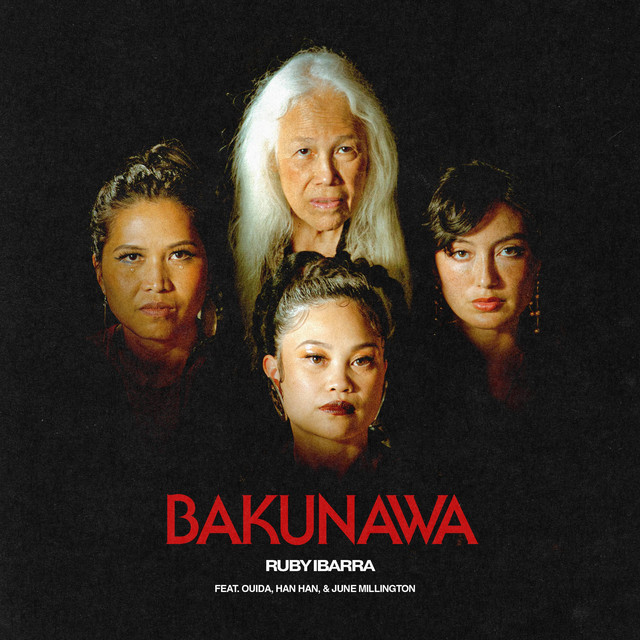
The Myth and the Modern
In 'Bakunawa,' Ruby Ibarra blends the ancient with the contemporary, drawing from Filipino mythology to articulate the emotional landscape of first-generation Filipinx-Americans. The Bakunawa, a mythical sea dragon, represents both fear and the quest for identity, a duality that mirrors the struggles faced by many who straddle two cultures.
Language as Liberation
Ibarra’s choice to rap in Tagalog, Bisaya, and English is a defiant statement in a world that often seeks to pigeonhole identity. It’s a linguistic reclamation that allows her to express the complexities of her hybrid existence, reflecting the challenges of growing up between worlds. Lines like
reveal a struggle that many first-gen individuals face: the longing to belong, yet feeling disconnected from both their ancestral roots and their American surroundings."I’m lost in translation, caught between two nations"
The Emotional Core
The song dives into themes of resilience and belonging, a journey that many Filipinx-Americans can deeply relate to. Ibarra’s storytelling is rich with nostalgia and pain, yet it’s also infused with hope and determination. The metaphor of the Bakunawa swallowing the moon resonates with the fear of losing one’s cultural identity to the vastness of assimilation.
Mythology and Memory
Bakunawa is not just a mythical creature but a symbol of the emotional turmoil that accompanies the immigrant experience. Ibarra’s lyrics evoke the moon—buwan or bulan—signifying not only beauty and light but also the guiding force for those navigating their cultural identity. This duality adds layers to the narrative of heritage and loss.
Community and Connection
In 'Bakunawa,' Ibarra also touches upon the importance of community. The support from fellow artists and the broader Filipinx community is palpable, as she emphasizes the need for solidarity in the face of cultural erasure. This is highlighted in her powerful assertion that
, a call to action that resonates beyond borders."We rise as one, we fight for the moon"
An Anthem for the Ages
As the winning entry of the 2025 NPR Tiny Desk Contest, 'Bakunawa' solidifies Ibarra’s place as a voice for her generation. Her blend of hip-hop with cultural storytelling offers a fresh perspective that challenges the mainstream narrative of what it means to be Filipinx-American. Ibarra is not merely sharing her story; she’s amplifying the voices of those who feel unheard.
A Cultural Renaissance
'Bakunawa' serves as a reminder of the ongoing journey for first-generation Filipinx-Americans. It’s a cultural renaissance, an invitation to explore the richness of identity and heritage. By invoking the Bakunawa, Ibarra captures the essence of navigating fear and embracing one's roots, making her work not just relevant but essential in today’s cultural conversation.
Ruby Ibarra’s 'Bakunawa' won the 2025 NPR Tiny Desk Contest, showcasing the growing recognition of diverse voices in music.