The Genesis of a Hit
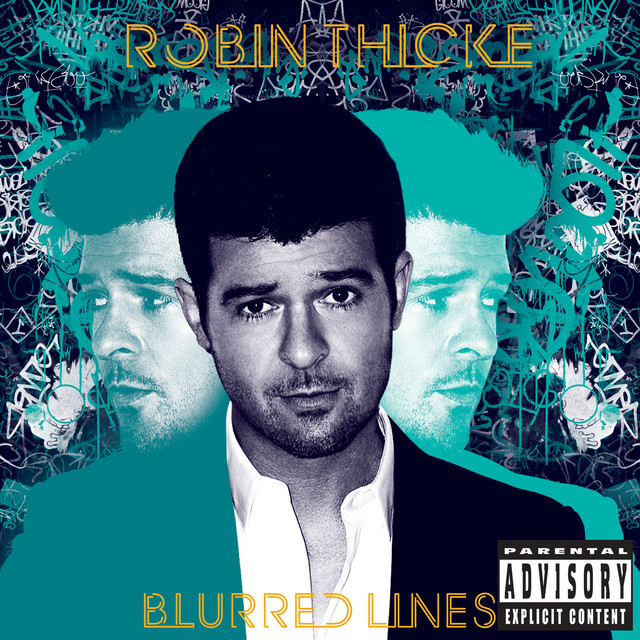
Released in 2013, Robin Thicke's "Blurred Lines" featuring T.I. and Pharrell Williams quickly became a summer anthem, but its danceable groove and catchy hook masked a brewing storm of legal issues. The track, which appeared on Thicke’s sixth studio album, is heavily influenced by the funk and soul sounds of the 1970s, drawing comparisons to Marvin Gaye’s classic "Got to Give It Up."
A Copyright Clash
In March 2015, the legal battles began when the Gaye family filed a lawsuit against Thicke, Williams, and T.I., claiming that "Blurred Lines" plagiarized the essence of "Got to Give It Up." The trial revealed a harsh reality for artists: the line between inspiration and imitation is razor-thin. A jury ultimately sided with the Gaye family, awarding them $7.3 million, a decision that sent shockwaves through the music industry.
Legal Precedents and Industry Implications
This ruling wasn’t just about one song; it set a precedent that would reverberate throughout the music world. The case opened discussions around copyright laws, the legitimacy of influence in songwriting, and the very nature of artistic creation. How much of a song can be inspired by another before it crosses the line into infringement?
"If you can't hear what I'm trying to say, if you can't read from the same page..."
Lyrics like these from "Blurred Lines" brought the conversation of consent and understanding in relationships to the forefront, yet the legal battle diverted focus to the nuances of musical creation. Critics argued that the ruling could stifle creativity, causing artists to second-guess their influences.
The Fallout
After the verdict, Thicke and Williams sought to appeal the decision, claiming the jury's ruling was based on flawed reasoning. They argued that the similarities between the two tracks were too vague to warrant such punitive damages. However, in 2018, the U.S. Court of Appeals upheld the original decision, further solidifying the Gaye family's position.
Broader Conversations About Music and Ownership
The fallout from "Blurred Lines" sparked a broader conversation about music ownership and the ethics of influence. Many artists began to reexamine their work, worried that their creative processes could be scrutinized under the same legal microscope. This case highlighted the precarious balance between homage and infringement, prompting musicians to tread carefully when drawing inspiration from their predecessors.
Interesting fact: Marvin Gaye's estate initially sought $25 million in damages, showcasing how the stakes in copyright disputes can escalate quickly.
Legacy of 'Blurred Lines'
Despite the legal battles, "Blurred Lines" remains a defining track of its era, but not without controversy. The song's infectious beat and catchy chorus are often overshadowed by the discussions surrounding its legal implications. Today, it serves as a cautionary tale for artists: influence is a double-edged sword, and the risk of crossing into copyright infringement is ever-present.
In the end, the story of "Blurred Lines" is not just about a hit song; it's a complex narrative of artistic expression, legal boundaries, and the evolving landscape of music copyright. As artists continue to innovate, the question remains: how do we protect creativity without limiting it?