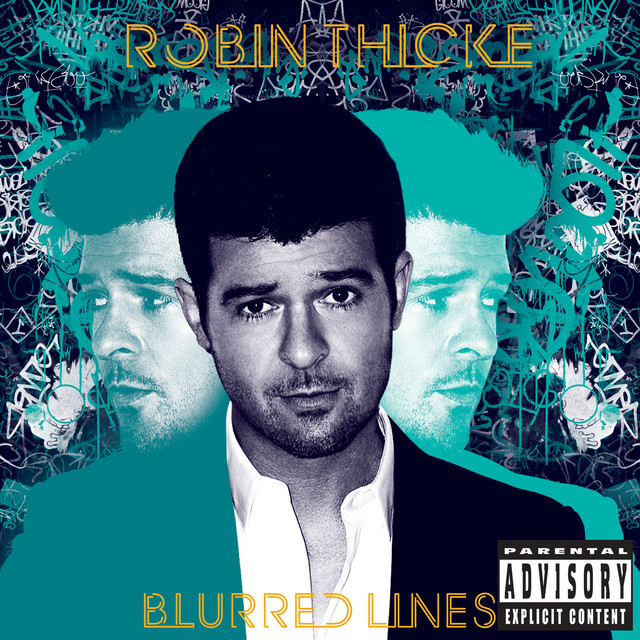
The Controversial Anthem
Released in 2013 as part of Robin Thicke's sixth studio album, also titled Blurred Lines, the song quickly ascended to commercial success, dominating charts worldwide. However, its catchy tune and upbeat vibe belied a darker undercurrent that ignited fierce debates over consent and sexual propriety.
Lyrics Under Scrutiny
At first listen, the song appears to be a playful take on flirtation, but lines like
take on a menacing tone when analyzed through the lens of consent. Critics were quick to point out that such statements can reinforce harmful attitudes towards sexual agency."I know you want it"
The Backlash
As the song gained popularity, so did the backlash. Activists and commentators started to dissect its implications, igniting conversations about the blurred lines between consent and coercion. The chorus, with its repeated insistence that the woman in the song is desired, can easily be interpreted as a dismissal of her autonomy.
In 2014, a group of activists created the #AskFirst campaign, directly addressing the themes present in 'Blurred Lines' and advocating for clear consent.
Cultural Impact
The controversy surrounding Blurred Lines reached its peak when a high-profile court case ensued, resulting in a $7.3 million judgment against Thicke for copyright infringement. Yet, ironically, the song’s most significant impact may not have been its financial repercussions but rather its role in shaping public discourse about sexual consent.
Shifting Conversations
The song's release coincided with a broader cultural shift towards emphasizing consent in sexual interactions. Movements like #MeToo were beginning to gain traction, and the intense scrutiny of Blurred Lines contributed to a growing awareness of the need for explicit consent in relationships. Thicke’s work became a case study in how music can reflect and influence societal attitudes.
Thicke's Response
In the years following the song's release, Robin Thicke has expressed regret over the backlash, stating in interviews that he never intended to promote a message of non-consent. His comments, however, often came off as defensive, and they did little to assuage the concerns raised by critics. The disconnect between his artistic intent and public reception highlighted a crucial divide in the conversation about consent.
Legacy of a Controversy
While the catchy beat and infectious hook of Blurred Lines may have initially lured listeners in, the song’s legacy is now firmly rooted in its role as a flashpoint for discussions about consent. It serves as a reminder that music, while often seen as entertainment, can hold significant power in shaping cultural narratives.
A Cautionary Tale
In retrospect, Blurred Lines stands as a cautionary tale about the importance of language in art. The song's playful facade crumbles under the weight of its implications, forcing us to confront the realities of consent and agency. As the conversation continues to evolve, the cultural impact of this song remains a stark reminder of the responsibility artists have in shaping societal views.