The Haunting Aesthetic of 'Living Dead Girl'
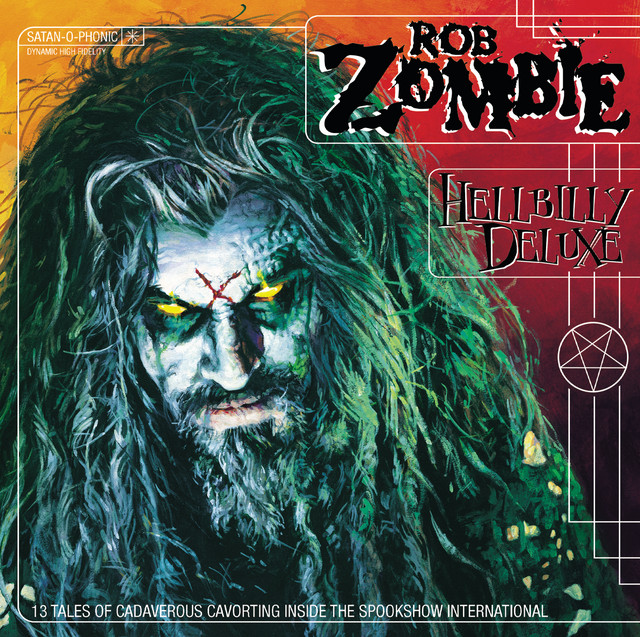
Rob Zombie's "Living Dead Girl," released in January 1999 as the second single from his debut solo album Hellbilly Deluxe, is an audacious blend of rock and horror that draws heavily on the motifs of gothic literature. The song’s eerie ambience and its darkly sexual undertones evoke the spirit of classic horror tales, making it a quintessential example of how literary influences can shape musical narratives.
Gothic Themes and Their Musical Manifestation
At its core, "Living Dead Girl" embodies the archetype of the gothic femme fatale, a theme prevalent in works like Mary Shelley’s Frankenstein and Bram Stoker’s Dracula. The lyrics allude to a character who is both alluring and menacing, encapsulating the seductive danger that gothic literature often explores. Zombie’s chorus, with its insistent repetition, creates a haunting chant that mirrors the incantatory quality of gothic poetry.
"She's my living dead girl"
This refrain serves as a visceral reminder of the duality present in gothic narratives — the simultaneous attraction and repulsion of the supernatural. By positioning his subject as a “living dead girl,” Zombie plays with the concept of life and death, a common theme in gothic works that often blur the lines between the two.
The Influence of Classic Horror
One cannot discuss "Living Dead Girl" without recognizing its ties to classic horror cinema, which itself draws heavily from gothic literature. The song’s music video, drenched in cinematic flair, showcases visuals reminiscent of old horror films, featuring a cast of characters that look like they walked straight out of a gothic novel. This interplay between music and visual storytelling amplifies the gothic narrative, using imagery to bolster the song's lyrical content.
Reimagining the Gothic Heroine
In many ways, Zombie’s portrayal of the "living dead girl" can be seen as a reimagining of the gothic heroine. Unlike the passive damsels of traditional narratives, this character embodies empowerment and danger. The lyrics suggest a complex relationship with mortality and sexuality, echoing the conflicted nature of figures like Lucy Westenra from Dracula. The line,
"You know I want you to be my friend"
underscores an unsettling allure — a desire that straddles the line between life and death.
The Role of Horror Punk
The genre of horror punk, which Zombie has been a significant figure in, is steeped in the traditions of gothic literature. Bands like The Misfits and Alice Cooper paved the way for Zombie, blending horror themes with punk rock's raw energy. "Living Dead Girl" stands as a testament to this genre's evolution, marrying heavy guitar riffs with lyrical content that echoes the eerie tales of gothic lore.
Conclusion: A Lasting Legacy
Ultimately, "Living Dead Girl" is not just a song; it’s a cultural artifact that reflects the enduring influence of gothic literature on contemporary music. Rob Zombie’s ability to weave these themes into a compelling rock narrative demonstrates the power of the gothic aesthetic in shaping modern storytelling. As the lines between horror and reality continue to blur in popular culture, Zombie’s work reminds us of the timeless allure of the macabre.
Did you know? The song is heavily inspired by the horror films of the 1930s and 1940s, particularly the Universal Monster movies.