The Haunting Inspiration
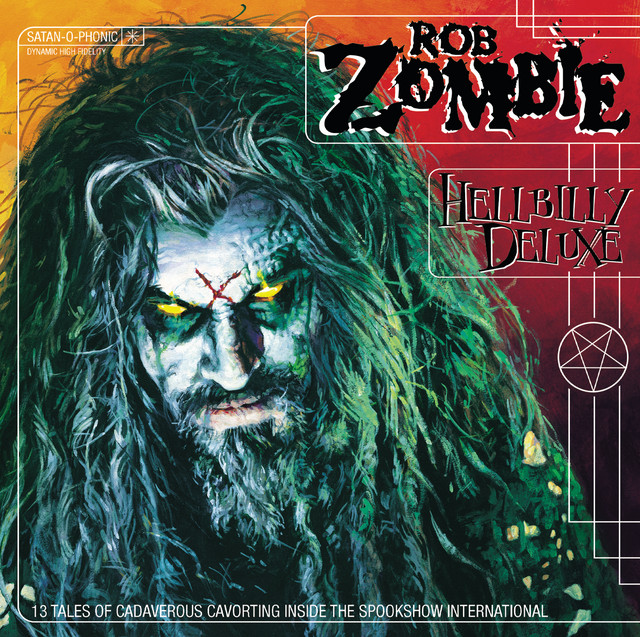
Rob Zombie's "Living Dead Girl," the standout single from his 1999 debut album Hellbilly Deluxe, is much more than a catchy tune; it's a homage to the horror genre that has long captivated his imagination. The song's eerie blend of industrial metal and haunting lyrics serves as a direct nod to the macabre aesthetics found in 1930s horror films, particularly the iconic Universal monster movies.
Universal Monsters and Their Legacy
The 1930s marked the golden age of horror cinema, with films like Frankenstein (1931) and Dracula (1931) introducing audiences to unforgettable monsters. These films weren’t just about scares; they explored themes of isolation, longing, and the grotesque, which resonate with Zombie's lyrical narrative. In "Living Dead Girl," he taps into the archetype of the undead femme fatale—an embodiment of both allure and danger.
"She's my living dead girl"
This line encapsulates the essence of the song, merging the seductive with the sinister, a theme prevalent in horror films where the line between life and death blurs. Just as the characters in those classic films were often trapped between their humanity and their monstrous nature, Zombie's "living dead girl" exists in a liminal space, both captivating and terrifying.
Cinematic References
Zombie’s love for horror cinema is woven throughout his music and visual style. The aesthetic of “Living Dead Girl” mirrors the gothic visuals of 1930s films, where shadows and light played critical roles in building tension. This influence is palpable in the music video, which features a surreal, nightmarish landscape reminiscent of a haunted film set.
Rob Zombie has cited horror film legends like Alfred Hitchcock and the Universal monsters as key influences in his work, shaping both his music and his directorial style.
Emotional Undertones
Beyond the surface horror, Zombie’s lyrics in "Living Dead Girl" are imbued with a sense of melancholy. The undead character reflects a longing for something unattainable, echoing the tragic fates of characters like Elizabeth in Frankenstein, who becomes a victim of her lover's monstrous obsession. This emotional depth gives the song a complexity that elevates it beyond mere horror pastiche.
The Sound of Horror
Musically, "Living Dead Girl" employs heavy guitar riffs and dark electronic elements that evoke the tension found in horror soundtracks. The production, helmed by Zombie himself, channels the raw energy of metal while incorporating samples that further enhance the eerie atmosphere. This sonic landscape creates an immersive experience, drawing listeners into a world where the supernatural feels palpable.
"I got a living dead girl"
This line not only serves as a catchy hook but also reinforces the ownership of the undead persona—reflecting a twisted kind of love that is both obsessive and fatalistic. Here, Zombie subverts typical romantic tropes, aligning them with horror's unsettling nature.
Legacy of the Song
"Living Dead Girl" remains a quintessential example of how Zombie melds his passion for horror with music, solidifying his position as a cultural icon in both realms. The song's success is a testament to the enduring influence of 1930s horror films, reminding us that the grotesque can be both beautiful and hauntingly relatable.
Conclusion
In "Living Dead Girl," Rob Zombie artfully channels the spirit of 1930s horror cinema, crafting a narrative that is as visually evocative as it is musically powerful. The song stands as a celebration of the genre while inviting listeners to confront the darker sides of love and desire, cementing its place in the pantheon of horror-inspired rock.