The Power of Vulnerability
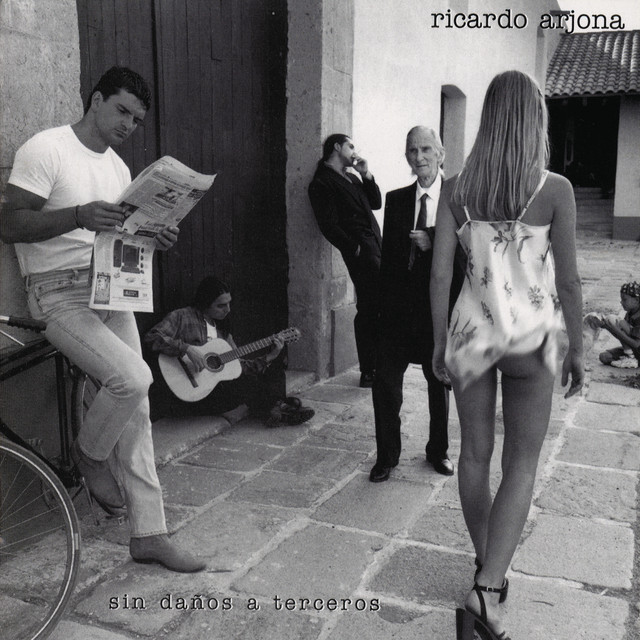
In the realm of Latin music, few tracks have stirred as much conversation as Ricardo Arjona's "Desnuda," from his 1998 album Sin Daños a Terceros. The song, whose title translates to "Naked," goes beyond mere physicality, inviting listeners to confront the emotional and societal layers of vulnerability and femininity.
Feminine Strength
Arjona's lyrics tackle the complexities of womanhood in a way that reflects both admiration and empathy. The singer seems to strip away not just clothing, but societal expectations placed upon women. Lines like
highlight a call for liberation, suggesting that true beauty lies in authenticity, not in conforming to societal norms."Quítate la ropa, quítate el miedo"
Challenging Norms
While the song's sensuality is undeniable, it also critiques the objectification often seen in music and media. Arjona's approach is not just to celebrate the female form, but to acknowledge the strength and complexity of women beyond their physical appearance. This nuanced perspective sets "Desnuda" apart from typical love songs and places it firmly within feminist discourse.
A Broader Impact
Arjona's influence extends beyond his own catalogue; he has paved the way for contemporary Latin artists who dare to explore similar themes. The rise of female artists in the Latin genre, from Shakira to Rosalía, often echoes the sentiments found in "Desnuda." These artists are reshaping narratives around femininity, power, and self-acceptance, building on the foundation laid by songs like Arjona's.
Ricardo Arjona, born January 19, 1964, is known for his poetic lyrics that often tackle social issues, making him a key figure in Latin pop.
Legacy of 'Desnuda'
Years after its release, "Desnuda" remains relevant, resonating with new generations who grapple with similar issues of identity and self-expression. The song has become a staple in discussions around gender and representation in music, illustrating how one track can influence an entire genre.
Conclusion: A Feminist Anthem
Ultimately, "Desnuda" is more than just a song; it’s a celebration of feminine strength and a critique of societal constraints. Arjona’s ability to intertwine sensuality with social commentary makes this track a significant touchstone in Latin music, inspiring artists to explore the depths of women’s experiences through their own art.