The Man Behind the Music
Ricardo Arjona is a name synonymous with Latin pop and ballads that explore the depths of human emotion. Born in Guatemala in 1964, Arjona's life experiences — from his humble beginnings to his rise as an international star — inform his songwriting.
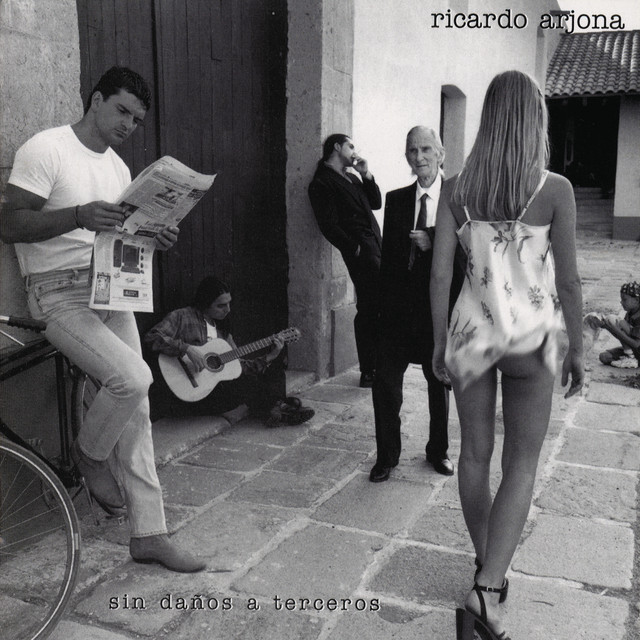
His seventh studio album, Sin Daños a Terceros, released in 1998, showcases this intertwining of personal narrative and artistic expression, particularly in the song "Desnuda." Here, Arjona lays bare not just the physicality of love but also the vulnerability that accompanies it.
Unpacking 'Desnuda'
"Desnuda" translates to "Naked," and it’s a fitting title for a song that strips away the layers of pretense often found in love songs. The lyrics reflect a longing for authenticity, both in oneself and in romantic relationships. Arjona’s delivery is raw and earnest, revealing a side of love that is often glossed over in popular music.
"Quítame el miedo, que ya no hay más que perder"
This line speaks volumes about Arjona's desire to shed insecurities and embrace love in its most vulnerable form. He challenges the listener to confront their fears, highlighting a theme that runs through his life — the need to be unguarded.
Personal Struggles and Artistic Growth
Arjona's own journey has not been without its struggles. Growing up in a modest household, he faced numerous obstacles that shaped his worldview. His songs often reflect a deep understanding of human frailty, as seen in "Desnuda." The song suggests that the essence of love lies not just in the physical but also in emotional transparency.
Another powerful element of the song is how it navigates the often complex relationship between desire and vulnerability. Arjona’s lyrics invite listeners to appreciate the beauty of being exposed, both physically and emotionally.
The Cultural Context
In Latin America, where machismo often influences perceptions of masculinity, Arjona’s willingness to express vulnerability is revolutionary. "Desnuda" serves as an anthem for those who yearn for a deeper connection, challenging societal norms that dictate how love and intimacy should be expressed.
Ricardo Arjona has sold over 20 million albums worldwide, making him one of the most successful Latin artists of all time.
The Musical Composition
The production of "Desnuda" complements the lyrical themes beautifully. The arrangement is minimalistic, allowing Arjona's voice to take center stage. This simplicity enhances the themes of vulnerability and intimacy, making the listener focus on the message rather than being distracted by elaborate instrumentation.
Conclusion: A Lasting Impact
In "Desnuda," Ricardo Arjona doesn’t just sing about love; he invites the listener into his world, reflecting his own experiences and emotions. The song stands as a testament to his ability to transform personal journey into universal themes, making it a timeless piece that continues to resonate with audiences today.