The Industrial Pulse of 'Du hast'
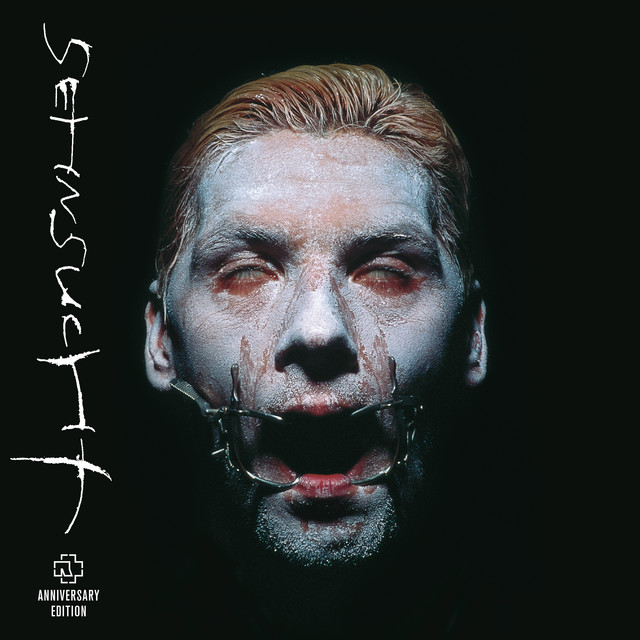
Rammstein's "Du hast," the second single from their 1997 album Sehnsucht, is often hailed as an anthem of modern metal. Yet beneath its anthemic hooks and aggressive riffs lies a labyrinth of industrial noise that not only defines the song but also marks a significant evolution in the band's sound. Produced by Jacob Hellner, the track is a bold statement of the band's influences, drawing from the gritty textures of industrial music while maintaining a visceral metal core.
Tracing the Industrial Roots
Industrial music emerged in the late 1970s, characterized by its use of unconventional sounds, harsh production techniques, and an embrace of noise as an art form. Bands like Throbbing Gristle and Einstürzende Neubauten paved the way for this genre. Rammstein, while rooted in heavy metal, merged these industrial elements into their own sound. The mechanical rhythms and clanging noises in "Du hast" embody this blend, transforming a seemingly straightforward love song into a complex critique of human relationships.
The song's title translates to "You Have," but its thematic depth explores betrayal, loyalty, and the complexities of commitment.
The Production Techniques at Play
What sets "Du hast" apart is how its production reflects industrial noise principles. The percussion, particularly the metallic snare hits, feels mechanical, almost robotic. This is enhanced by the layered guitar arrangements that create a wall of sound, reminiscent of industrial pioneers. The band's deliberate use of distortion and effects creates an atmosphere that is both aggressive and unsettling.
Lyrics and Their Industrial Undertones
The lyrics of “Du hast” take on a confrontational tone. The repetition of phrases like
emphasizes a sense of accusation and tension. This mirrors the dissonance often found in industrial music, where emotional rawness is expressed through sonic abrasion. The song's chorus, while catchy, carries a weight of conflict that resonates with the angst of the late '90s."Du, du hast, du hast mich"
Influence on the Metal Scene
When "Du hast" was released, it didn’t just resonate within the confines of metal; it infiltrated the broader musical landscape. The industrial noise elements influenced a wave of bands that sought to incorporate similar textures into their music. Groups like Slipknot and Linkin Park would later blend metal with electronic and industrial sounds, showcasing the broader impact Rammstein had on the genre.
Rammstein's Legacy of Industrial Sound
Years after its release, "Du hast" remains a staple in Rammstein's discography and a defining moment in the industrial metal genre. The song's success is a testament to how the band harnessed the power of noise to create something uniquely captivating. With its heavy riffs and industrial influences, it laid the groundwork for future explorations into the fusion of metal and noise.
Conclusion: A Soundtrack of Conflict
Ultimately, "Du hast" is more than just a heavy metal anthem; it is a complex tapestry of sound that reflects the tensions of human relationships through the lens of industrial noise. Rammstein’s ability to interweave these elements has left an indelible mark on music, making "Du hast" a crucial piece in understanding the evolution of metal itself.