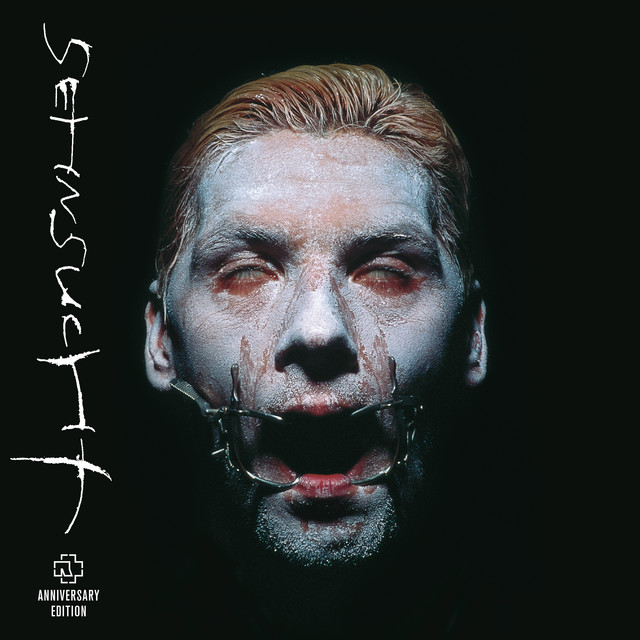
Unpacking 'Du hast'
Rammstein's "Du hast," the second single from their 1997 album Sehnsucht, is often seen merely as an aggressive anthem of defiance. Yet, beneath its heavy guitar riffs and industrial beats, the song presents a nuanced exploration of commitment that resonates with feminist themes, particularly around the notions of obligation and choice.
Commitment as a Double-Edged Sword
At first listen, the lyrics may appear to echo the traditional tropes of romantic struggle. However, Rammstein subverts these expectations by framing commitment not as a romantic ideal, but as a burden. The repeated line,
which translates to "You have me," suggests ownership rather than partnership. This ownership dynamic can reflect the societal pressure placed on individuals, particularly women, to conform to roles defined by others."Du hast mich,"
Feminist Undertones and Power Dynamics
In the context of gender roles, this theme of possession takes on a more sinister aspect. The lyrics challenge the listener to consider the implications of being 'had' by another. Are we truly free in our commitments, or are we shackled by societal expectations? The song's aggressive tone amplifies this message, suggesting an urgent need to confront and question these power dynamics.
The Performance of Gender
Rammstein is known for their provocative performances, often blurring the lines between masculinity and femininity. The masculine bravado of lead singer Till Lindemann, juxtaposed against the song's underlying themes, creates a space for feminist interpretation. He embodies a character that both demands and questions loyalty, reflecting the complexities of male and female relationships.
A Call to Question Commitment
While "Du hast" can be interpreted through a lens of personal relationships, it also extends to broader societal commitments. The dissection of the phrase
can be seen as a critique of the obligations we accept, often without question. Rammstein invites listeners to rethink what it means to truly be 'had' by someone or something, making the case for a more conscious approach to commitment."Du hast mich, du hast mich,"
Cultural Context and Reception
Released in a post-reunification Germany, Sehnsucht reflects a society grappling with its identity. The song's themes can be viewed as a metaphor for the anxieties surrounding modern relationships, particularly in a culture that often imposes strict gender roles. The heavy instrumentation serves as a backdrop to these weighty themes, making the song not just an anthem, but a commentary on the pressures of conformity.
Conclusion: A Provocative Exploration
Ultimately, Rammstein's "Du hast" transcends its heavy metal roots to offer a critical examination of commitment. By framing relationships through the lens of ownership and obligation, the band raises essential questions about autonomy and choice. The feminist undertones embedded within the song challenge listeners to consider their own commitments and the societal narratives that shape them.
Interesting Fact: The song's aggressive sound and challenging lyrics have made it a staple in Rammstein's live performances, often eliciting strong reactions from audiences.