The Origins of 'Black Betty'
'Black Betty' is a song that has traversed genres and eras, but its roots lie deeply embedded in the African American folk tradition. The song is often attributed to Lead Belly, the legendary blues musician who played a significant role in popularizing folk music from the Southern United States. His version, recorded in the late 1930s, is characterized by its driving rhythm and repetitive, almost hypnotic chorus.
From Folk to Rock
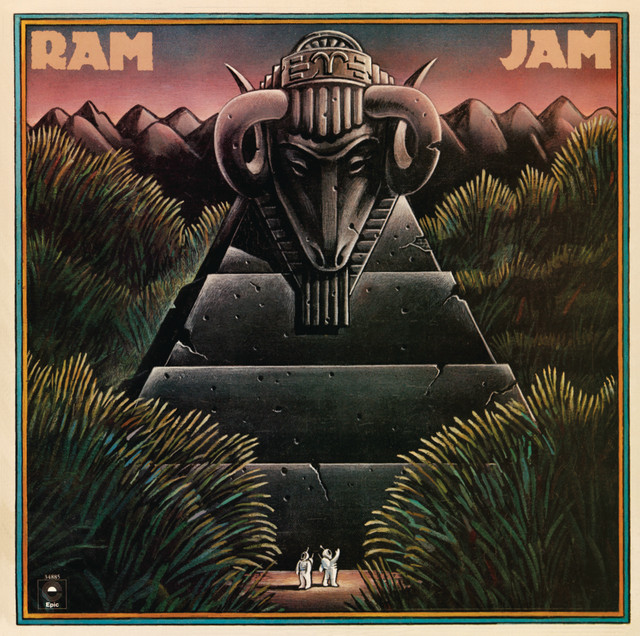
In 1977, Ram Jam took 'Black Betty' from its folk origins and transformed it into a rock anthem. Their rendition, featured on their self-titled debut album, fused the song's traditional elements with hard rock energy. Produced by the band themselves, this version became a massive hit, reaching number 18 on the Billboard Hot 100 and topping the Irish Singles Chart.
The NAACP had concerns about the song's racial implications, given its portrayal of a character named Black Betty. The organization urged caution in its popularization.
A Racially Charged Narrative
The lyrics of 'Black Betty' have sparked debate regarding their racial connotations. The character of Black Betty can be interpreted in various ways, often seen as a representation of a strong Black woman, but the context can also reinforce stereotypes. The line “Whoa, Black Betty, bam-a-lam” echoes a sense of both joy and danger, reflecting the complexities of African American experience.
Lead Belly's Legacy
Lead Belly's influence is undeniable, and his version of 'Black Betty' carries a weight that Ram Jam's rock rendition cannot fully replicate. The original lyrics tell a story of struggle and resilience, while Ram Jam's take strips some of that narrative depth in favor of a catchy, electrifying hook. This raises questions about authenticity and appropriation in music.
The Impact of Ram Jam
Despite the controversies, Ram Jam's 'Black Betty' has become a staple in rock and pop culture, sampled and referenced by numerous artists. Its iconic riff has been used in commercials, films, and even sports events, cementing its place in the collective consciousness. Yet, the song's roots remind us of its complex heritage.
Conclusion: A Dual Legacy
'Black Betty' serves as a reminder of the intertwining of racial and cultural histories in music. While Ram Jam's version has achieved commercial success, it is essential to acknowledge the original context and the artist behind it. The song's journey from Lead Belly to rock radio exemplifies both the potential for cultural exchange and the pitfalls of appropriation.