From Folk Roots to Rock Revival
Originally attributed to Lead Belly, "Black Betty" has morphed through various interpretations since its creation in the 1930s. The song's haunting melody and driving beat have made it a chameleon of sorts, adapting to the tastes of each new era. Ram Jam's 1977 version, which catapulted the song into the rock mainstream, is a prime example of this evolution.
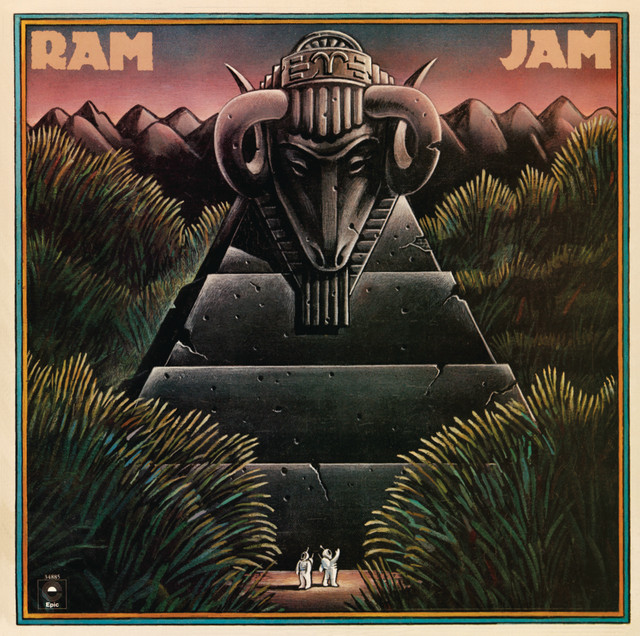
With its thumping guitar riffs and anthemic chorus, Ram Jam’s rendition redefined "Black Betty" as a staple of rock radio. The band, comprised of musicians from diverse backgrounds, infused the track with a punk energy that was palpable in the late '70s. Their version peaked at No. 18 on the Billboard Hot 100 and remains iconic for its electrifying performance.
Lyrics and Their Shifting Meanings
The lyrics of "Black Betty" have sparked debates and interpretations across genres. The refrain,
, is undeniably catchy, but its meaning shifts depending on the listener's perspective. Some interpret it as a celebration of a woman’s strength, while others see it as a commentary on societal issues."Whoa, Black Betty, bam-a-lam!"
In the context of Ram Jam's version, the lyrics take on a more rebellious tone, aligning with the punk ethos of defiance and freedom. However, when examining the song's origins, one must acknowledge Lead Belly's version, which carries a weighty historical context tied to African American folk traditions.
Genre Cross-Pollination
What makes "Black Betty" particularly fascinating is how it has transcended genres. From its folk beginnings to rock, and even into the realms of hip-hop and electronic music, each rendition offers a fresh take. For instance, the song has been remixed for the dance floor, charting on the Top 40 Singles and Dance Club Songs lists, showcasing its versatility.
Interesting fact: Ram Jam's remix of "Black Betty" reached the Irish Singles Chart, proving the song's international appeal.
The Controversy of Ownership
Despite its popularity, the song's legacy is marred by questions of ownership and cultural appropriation. The NAACP's involvement in the song's history highlights the complexities surrounding its attribution. While Ram Jam may have popularized it, the roots of "Black Betty" are steeped in African American history, making it vital to recognize Lead Belly's contribution.
The various interpretations of "Black Betty" serve as a reminder of music's power to evolve while also reflecting the cultural narratives of its time. It is not merely a song; it is a vessel for storytelling that transcends its genre boundaries.
A Timeless Classic
Ultimately, the curious case of "Black Betty" illustrates the fluidity of music and how a single song can embody multiple meanings across generations. As artists continue to reinterpret and remix this classic, its relevance remains intact, proving that some songs are meant to be reimagined—each version a testament to the ever-changing landscape of music.