The Weight of Accountability
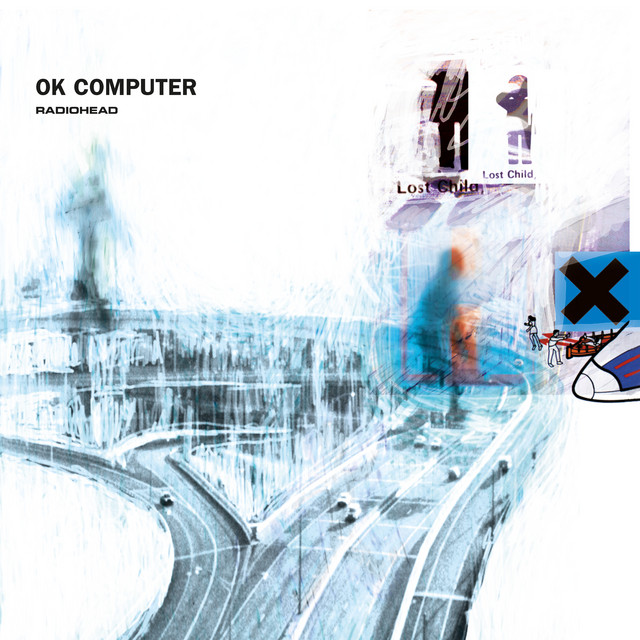
Released on August 25, 1997, as the second single from their groundbreaking album OK Computer, Radiohead's "Karma Police" captures the existential dread of modern life. The track emerged in an era where technology was rapidly evolving, creating a disconnect between individuals and their core values. The haunting melodies and Thom Yorke's ethereal vocals reflect a deep-seated anxiety that resonates even today.
The Chase Begins
"Karma Police" presents a narrative of someone who feels pursued by an abstract force—an embodiment of cosmic justice. The repeated refrain of the "Karma Police" serves as a reminder of the consequences of one's actions, feeding into the psychological burden of guilt and regret. Yorke's delivery, filled with a sense of urgency, evokes the feeling of being hunted, as if every misstep is tracked and cataloged.
"This is what you get when you mess with us"
The lyrics hint at a collective reckoning, where the individual is not only accountable for their actions but also feels the weight of societal judgment. This fosters a sense of paranoia, a reflection of our times where every action can be scrutinized through social media, amplifying the feeling of being chased.
The Psychological Impact
Feeling pursued by the "Karma Police" can lead to a myriad of psychological responses. On one hand, it instills a sense of accountability, forcing individuals to confront their behavior. On the other, it can induce anxiety and a fear of retribution, manifesting as a constant worry that one's past actions will inevitably catch up to them.
Yorke’s cryptic yet powerful lyrics evoke this duality. The line, "I’ve given all I can, it’s not enough," speaks to the frustration of trying to escape past mistakes while feeling the weight of unfulfilled expectations. This sentiment resonates in a world where perfection is often demanded, leaving individuals feeling perpetually inadequate.
The Broader Context
The impact of "Karma Police" extends beyond personal reflection; it mirrors societal anxieties about justice and morality. As we navigate a world filled with misinformation and ethical dilemmas, the song’s themes of accountability and consequence become increasingly relevant. Radiohead captures the feeling of being ensnared in a web of one’s own making, a sentiment that feels all too familiar in today’s fast-paced, judgmental society.
Interesting fact: "Karma Police" was a commercial success, helping to solidify Radiohead's status in the '90s rock scene, selling over 7.8 million copies worldwide.
A Lasting Legacy
Ultimately, the psychological chase embodied in "Karma Police" remains a haunting reminder of our vulnerabilities. The track's exploration of guilt, accountability, and the fear of retribution invites listeners to reflect on their own lives. In a world that often feels like a relentless pursuit, Radiohead offers a soundtrack for those grappling with their moral compass.
"For a minute there, I lost myself"
This line encapsulates the essence of being overwhelmed by the consequences of one's actions, a theme that resonates deeply with listeners who find themselves navigating the complexities of modern existence.