The Echo of Dissent
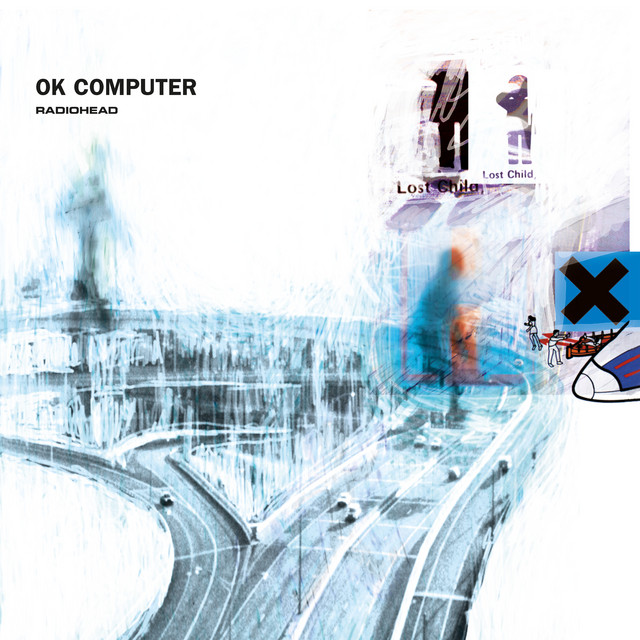
When Radiohead released "Karma Police" on August 25, 1997, it wasn’t just another single from their groundbreaking album OK Computer. It was a reflection of a tumultuous time in British society, steeped in social unrest and political dissatisfaction. The 90s were marked by economic strife, rising unemployment, and a palpable sense of disillusionment that permeated the airwaves. Radiohead captured this undercurrent with haunting precision.
A Soundtrack for the Disenchanted
"Karma Police" serves as an anthem for the disenchanted, echoing the frustrations of a generation grappling with the fallout of policies from the Thatcher era. The lyric,
, resonates as a direct confrontation to the powers that be. It articulates a collective angst towards a system that had marginalized many, reflecting a broader sentiment that was prevalent in public discourse."This is what you get when you mess with us"
Political Backdrop
The late 90s in the UK was a time of significant upheaval. In the face of the Conservative government’s austerity measures, the nation was ripe for a musical response. Bands like Radiohead, Blur, and Oasis were not just creating music; they were voicing the frustrations of a country that felt ignored. OK Computer emerged as a reaction to this malaise, with "Karma Police" embodying the struggle against an indifferent society.
Musical Composition as Protest
The song’s minimalist piano riff and Thom Yorke’s ethereal vocals create an atmosphere of melancholy that enhances the lyrical message. This isn’t just a ballad of despair; it’s a call to awareness. As the song builds, it mirrors the escalating tension of the times, leading to a cathartic release. The line,
, suggests a reckoning with past actions, a direct challenge to accountability that was highly relevant during a time when political leaders were often shielded from scrutiny."For all the things you said"
Influence of Grunge and Britpop
Radiohead’s sound was also influenced by the grunge movement and Britpop, which had both captured the zeitgeist of the preceding decade. Bands like Nirvana and the socially conscious lyrics of Oasis paved the way for a new wave of introspective rock. “Karma Police” channels this influence, merging personal angst with broader societal critique, a common thread in the music of the time.
Legacy and Reception
The impact of "Karma Police" was immediate and profound. It expanded Radiohead's international popularity, solidifying their status as one of the most important bands of the era. The track, along with others from OK Computer, sold over 7.8 million copies globally, proving that audiences were hungry for music that not only entertained but also provoked thought.
Interesting fact: The music video for "Karma Police," directed by Jamie Thraves, visually represents the themes of alienation and societal critique found in the song.
A Reflection of Today
Nearly three decades later, the themes of "Karma Police" remain relevant. The song's exploration of social injustice and personal accountability continues to resonate in today’s political climate. As protests erupt globally and voices demand change, Radiohead’s poignant reflection on societal discontent feels just as urgent now as it did in the late 90s.
Conclusion: A Call to Action
Ultimately, "Karma Police" stands as a sonic embodiment of its time, a haunting reminder of the power of music to challenge the status quo. It urges listeners to reflect, resist, and respond, capturing the spirit of a generation that refused to be silenced. In a world still plagued by the same issues, this track remains a vital part of our cultural lexicon, a reminder that the fight for justice is timeless.