Capitalism as a Theme
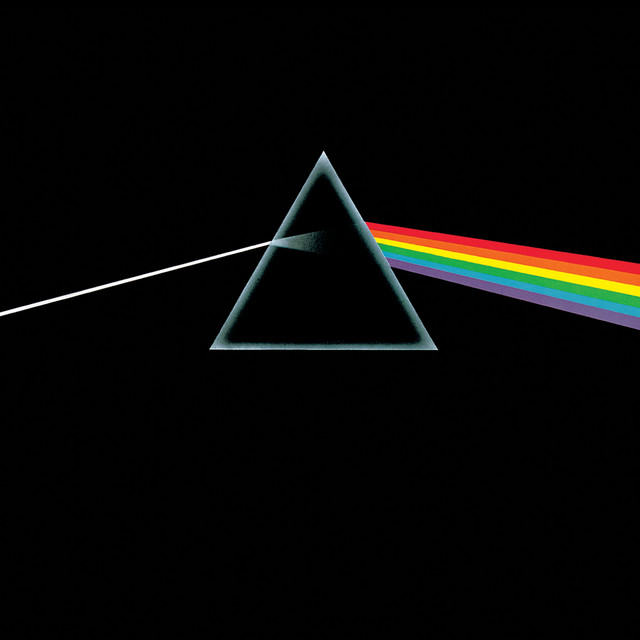
When Pink Floyd released "Money" in 1973 as part of their iconic album The Dark Side of the Moon, they weren't just crafting a hit song; they were delivering a scathing critique of capitalism. Written by Roger Waters, the track combines progressive rock with a sharp commentary on how money corrupts and defines human relationships.
The song opens with a cash register sound, immediately setting the tone. This is no ordinary rock anthem; it’s a visceral attack on the capitalist mindset that emphasizes greed and materialism. The lyrics, "Share it fairly, but don't take a slice of my pie," highlight a selfishness bred from competition and economic inequality.
The Sound of Money
Musically, "Money" stands out for its unconventional 7/8 time signature, which creates a sense of disorientation, mirroring the chaotic nature of financial pursuits. The song's structure, with a mix of hard-hitting guitar riffs and smooth transitions, further illustrates this tension. The instrumental break feels like a chaotic scramble for wealth, echoing the very essence of financial desperation.
"Money, get away. Get a good job with more pay and you're okay."
Here, Waters encapsulates the societal pressure to conform to capitalist ideals. The pursuit of a higher paycheck becomes a badge of honor, yet it's portrayed as an empty quest. This duality is central to the song's message: while society venerates wealth, it often overlooks the moral decay that accompanies it.
Reflections of the Era
The early 1970s were a tumultuous time in the UK, marked by economic strife and social unrest. Pink Floyd tapped into this zeitgeist, making "Money" not just a song but a reflection of the times. The growing disillusionment with capitalism was palpable, as many began to question the true cost of progress and prosperity.
Interestingly, "Money" was one of the first songs to feature a looped recording in rock music, showcasing the band's innovative approach to songwriting.
In the context of The Dark Side of the Moon, which delves into themes of mental health, time, and existential dread, "Money" serves as a critical pivot point. It embodies the struggle against the dehumanizing nature of wealth, a theme that resonates beyond its era. The juxtaposition of greed and the human experience is a universal dilemma.
Enduring Impact
Decades later, "Money" continues to resonate. In a world still grappling with economic disparities and the moral implications of wealth, Pink Floyd's commentary feels as relevant as ever. The song has been covered and referenced in various media, proving its lasting influence.
As listeners, we can't ignore the complexities of our relationship with money. Pink Floyd's "Money" not only critiques capitalism but also forces us to confront our values and priorities. It reminds us that in the relentless pursuit of wealth, we risk losing sight of what truly matters.