The Birth of a Sound
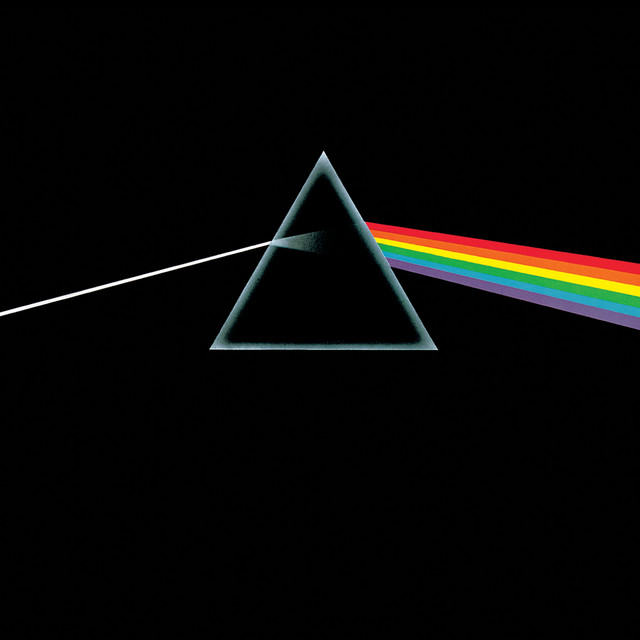
When Pink Floyd's "Money" first dropped on their 1973 album The Dark Side of the Moon, it introduced an audacious sonic element that would become synonymous with the track. The iconic cash register sound that opens the song is not just a quirky addition; it’s a brilliant commentary on capitalism and greed, setting the stage for the lyrical themes that follow.
Crafting the Cash Register Effect
The story behind the cash register sound is as fascinating as the song itself. Roger Waters, who wrote the track, wanted to represent the concept of money in a visceral way. The band recorded real cash register sounds, but it was the creative manipulation that truly brought it to life. They used a variety of sound effects, layering and processing to create a rhythmic pulse that drives the song forward.
Engineer Alan Parsons played a crucial role in this process. His expertise in sound engineering allowed the band to transform these everyday sounds into something that felt both mechanical and organic. The use of tape manipulation and sound synthesis was cutting-edge for the time, reflecting the innovative spirit of the era.
Symbolism in Sound
The cash register is more than just a sound; it symbolizes the very heart of the song’s critique on materialism. As the cash register rings, listeners are thrust into a world where money dictates value and success. The line
encapsulates this sentiment perfectly, echoing the relentless pursuit of wealth that defines modern life."Money, get away, get a job, get paid"
A Lasting Impact
"Money" stands out not only for its lyrical content but also for its innovative soundscapes. This track’s fusion of rock and sound collage paved the way for future artists to experiment with unconventional sounds. Bands like Radiohead and The Flaming Lips have drawn inspiration from Pink Floyd’s willingness to push boundaries, proving that the cash register sound was not just a gimmick, but a revolutionary element in the evolution of rock music.
The cash register sounds were recorded in a studio with a variety of props, including coins and a real cash register, showcasing the band’s commitment to authentic sound.
Conclusion: A Sonic Legacy
Ultimately, the cash register sound in "Money" serves as a powerful reminder of the themes that permeate The Dark Side of the Moon. It encapsulates the existential struggle against the backdrop of consumerism. As listeners engage with the track, they’re not just hearing a song; they’re experiencing a sonic critique of a society obsessed with wealth. This is what makes Pink Floyd’s work timeless and relevant, and the cash register sound is a perfect example of their genius.