The Journey Begins
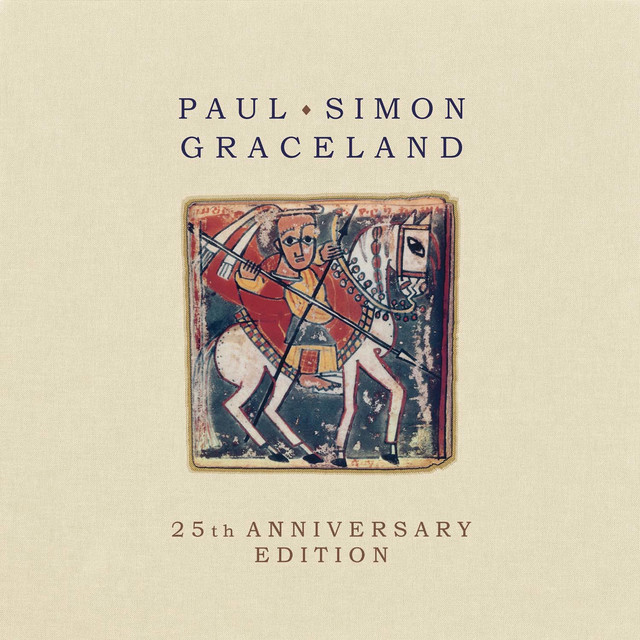
When Paul Simon released his album Graceland in 1986, it was not merely a collection of songs; it was a bold statement of artistic collaboration and cultural connection. The title track, featuring harmonies reminiscent of the Everly Brothers, sets the stage for a journey that transcends geographic and cultural boundaries.
A Cultural Bridge
Simon’s trip to South Africa during the apartheid era was pivotal. He immersed himself in the vibrant sounds of local musicians, which would shape the Graceland album. This was a time when cultural exchanges were fraught with political tension, yet Simon found beauty and creativity in the music that flourished despite adversity. The track “Graceland” draws on these influences, weaving South African rhythms and instrumentation into its fabric.
Paul Simon faced criticism for collaborating with South African artists during apartheid, yet his work helped bring global attention to the region's music.
Musical Influences
“Graceland” features a distinctive interplay of styles, blending Simon’s folk-rock roots with mbaqanga, a genre of South African township music. The syncopated guitar lines and rich vocal harmonies echo the sounds Simon encountered, making the song a sonic homage to the artists who inspired him.
“I’m going to Graceland, Graceland / In Memphis, Tennessee.”
These lines evoke a pilgrimage, not just to Elvis Presley's home, but to a place where cultural identities intersect. The mention of Graceland as a destination symbolizes Simon's journey towards understanding and embracing South African music.
Collaboration at Its Heart
Simon didn’t just borrow elements from South African music; he collaborated with its artists. The album features contributions from luminaries like Ladysmith Black Mambazo and the band Amandla, whose influences are felt throughout the tracks. This collaboration highlights the unspoken ethos of Graceland—that music can be a bridge across divides.
The Power of Lyrics
In “Graceland,” Simon’s lyrics reflect introspection and a quest for meaning. He sings,
This line resonates with the broader themes of change and reconciliation, mirroring the socio-political landscape of South Africa at the time.“I can’t be the way I was before.”
Legacy and Impact
The legacy of Graceland extends beyond its commercial success. It opened the door for greater awareness and appreciation of South African music, influencing countless artists and fostering a global dialogue about cultural exchange. Simon’s willingness to engage with South African musicians challenged the norms of his era and inspired a generation to explore music as a unifying force.
Conclusion
In crafting Graceland, Paul Simon created a work that is more than just an album; it's a testament to the power of music to connect disparate worlds. The echoes of South African music within this track remind us that true artistry transcends boundaries, offering a glimpse into the rich cultural tapestry of a world often divided.