Mapping the Journey
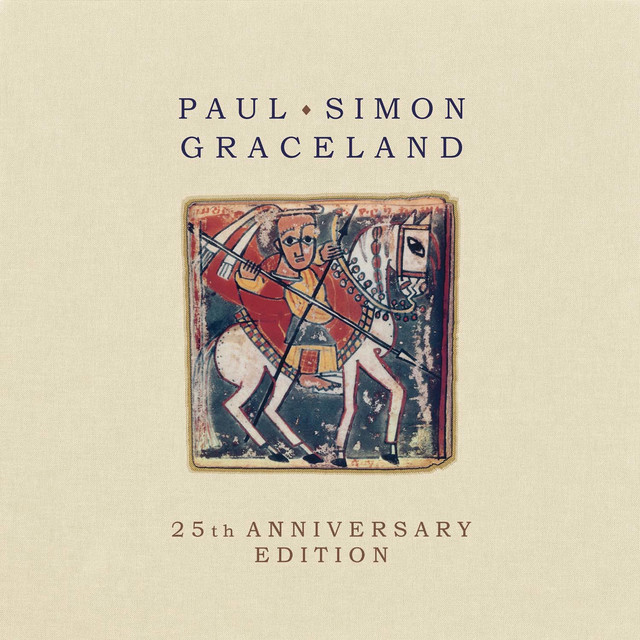
In the summer of 1985, Paul Simon set out on a road trip that would become the backbone of his 1986 album, Graceland. This wasn’t just a leisurely drive; it was a pilgrimage of sorts, a quest for solace after the fracturing of his marriage to Carrie Fisher. The journey through America’s South mirrored the emotional terrain he was navigating, intertwining personal loss with cultural exploration.
The title track, "Graceland," is a vivid encapsulation of this journey. The song opens with a sense of yearning:
. Here, the destination isn't merely a physical location; it symbolizes a refuge, a place where one can find healing and connection."I'm going to Graceland, Graceland, in Memphis, Tennessee"
From Personal to Universal
As Simon traveled, he gathered not just sights but stories—both his own and those of the people he met along the way. The narrative flows seamlessly through the song, capturing the essence of a road trip: the anticipation, the encounters, and the reflections that emerge in the solitude of travel. The line,
, hints at the communal aspect of his journey. Even in isolation, he seeks connection."I can gather all my friends around"
By incorporating the Everly Brothers’ harmonies, Simon layers nostalgia over his journey, evoking a sense of shared musical heritage. Their voices resonate with the themes of friendship and memory, grounding his personal exploration in a wider cultural context.
The Power of Place
Graceland, the home of Elvis Presley, serves as a powerful metaphor in the song. It represents not just a physical destination but an emotional one as well. Simon's interaction with the South—its music, its stories, and its people—offers a rich tapestry of experiences that reflect his own state of mind. The phrase,
, acts as a poignant reminder of what he left behind and the emotional baggage he carries."There’s a girl in New York City"
Musical Influences
Simon’s road trip was not just a personal odyssey; it was also a musical pilgrimage. He immersed himself in South African music, which influenced the album's sound. This blending of genres showcases Simon's ability to transcend cultural boundaries, making the music feel both fresh and timeless. The rhythms and melodies he encountered inform the very fabric of "Graceland," enhancing the storytelling aspect of the song.
Interestingly, Simon's journey through South Africa was pivotal in shaping the album's sound, leading to the incorporation of diverse musical elements.
A Reflection of Healing
Ultimately, "Graceland" is about the search for healing and understanding amidst chaos. The journey symbolizes more than just a physical road; it’s an exploration of identity and belonging. Simon writes about the struggles of life, the weight of loss, and the hope of renewal. The line,
, becomes a mantra—a promise to find peace amid turmoil."I'm going to Graceland"
With its rich storytelling, "Graceland" captures the essence of what it means to embark on a journey, both literally and metaphorically. Paul Simon’s road trip did more than inspire an album; it carved a path for a deeper exploration of life, loss, and the longing for connection.