The Unexpected Muse
When you think of 'Wonderwall,' the first name that comes to mind is Noel Gallagher, Oasis's enigmatic chief songwriter. But the genesis of this enduring anthem goes beyond Gallagher's talent. The song’s creation was significantly influenced by the relationship Noel had with his then-girlfriend, Meg Mathews, who played a pivotal role in shaping its emotional core.
From Personal to Universal
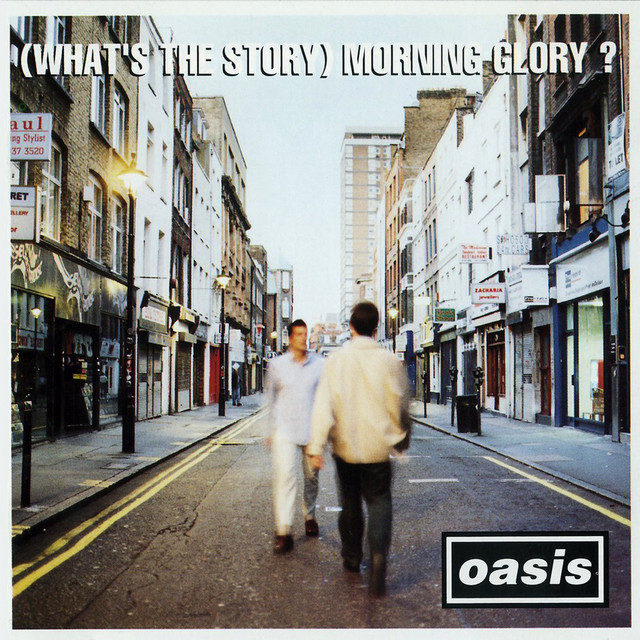
'Wonderwall' was released on October 30, 1995, as the fourth single from Oasis's second studio album, (What's the Story) Morning Glory? The track quickly became emblematic of the Britpop era, capturing the angst and yearning of a generation. The lyrics reflect both personal sentiment and universal longing, making it a staple of countless acoustic covers and karaoke nights.
"Because maybe, you're gonna be the one that saves me"
In these lines, Gallagher encapsulates the hope and desperation inherent in love. The phrase “gonna be the one that saves me” speaks to a longing for connection, a theme that resonated widely during the mid-90s, a time when many were navigating the complexities of relationships amidst the chaos of youth culture.
Collaboration and Conflict
While Gallagher often gets the lion’s share of credit, it’s essential to recognize the friction and collaboration that marked Oasis’s rise. Tension between Noel and his brother, Liam, defined much of the band's dynamic. Yet, it was the very essence of that sibling rivalry that infused songs like 'Wonderwall' with raw emotion. The public perception of their relationship, fraught with arguments and reconciliations, lent an authenticity to their music.
Crafting the Sound
Produced by Owen Morris, 'Wonderwall' features a stripped-down arrangement that highlights the poignant lyrics. The acoustic guitar riff is simple yet infectious, drawing listeners in with its understated beauty. This minimalism allows Gallagher's voice to shine, conveying a blend of vulnerability and strength.
The Cultural Impact
The impact of 'Wonderwall' on popular culture cannot be overstated. It became a defining anthem for the 90s, a song that transcended its era to become a timeless classic. Its inclusion in films and TV shows, as well as its frequent covers by artists across genres, speaks to its lasting appeal.
Did you know? 'Wonderwall' was initially intended as a B-side. It wasn’t until its release as a single that it gained massive popularity, propelling Oasis into the stratosphere.
Legacy and Reflection
Decades after its release, 'Wonderwall' continues to evoke nostalgia. Its lyrics have been scrutinized, celebrated, and even parodied, yet it remains a beloved staple for new generations. Noel Gallagher himself has expressed mixed feelings about the song's continued prominence, acknowledging its significance while also lamenting the sheer volume of covers that followed.
"And after all, you're my wonderwall"
This line serves as a closing sentiment that wraps the song in a blanket of affection, a reminder of the power of love and the hope it brings. As we reflect on the song's origins, it’s clear that 'Wonderwall' is more than just a hit; it's a testament to the complexities of relationships and the art of songwriting that can resonate through time.