The Birth of an Anthem
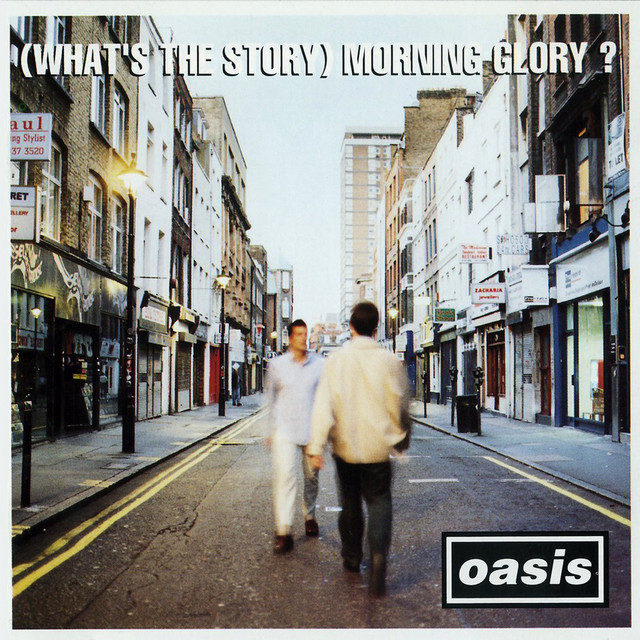
When Oasis released "Wonderwall" on October 30, 1995, as part of their second studio album, '(What's the Story) Morning Glory?', few could predict the cultural impact it would achieve. Written by Noel Gallagher, the song's blend of acoustic strumming and heartfelt lyrics struck an emotional chord with listeners, particularly those navigating the tumultuous waters of unrequited love.
A Heartfelt Plea
At its core, "Wonderwall" is a love song cloaked in ambiguity. The repeated phrase, "Because maybe, you're gonna be the one that saves me," conveys a sense of longing and hope, yet it also encapsulates the uncertainty that often accompanies unfulfilled affection. The listener is left pondering whether the subject of their affection will ever feel the same way.
"You're gonna be the one that saves me"
This lyric has become emblematic of unrequited love, suggesting that the narrator sees the object of their devotion as a potential savior. It's a reflection of a common experience: the desire for someone to fulfill our emotional needs while grappling with the reality that they may never reciprocate those feelings.
The Sound of a Generation
The song's release coincided with a cultural moment in the UK. Britpop was at its zenith, and Oasis was leading the charge with their anthemic sound. The production by Owen Morris helped craft a sound that felt both grand and intimate, allowing the lyrics to shine through. This combination made "Wonderwall" a staple at parties, gatherings, and events, where its sing-along chorus would elevate the mood, even as it spoke to heartache.
Universality of Heartbreak
Listeners have often interpreted the song's ambiguity to fit their own narratives of love and loss. Whether it's a crush, an ex, or a person who never saw them in that light, "Wonderwall" has provided a soundtrack for those unspoken feelings. It captures the essence of yearning and the bittersweet nature of love that remains unreturned.
Despite its overwhelming popularity, Noel Gallagher has often downplayed the song's significance, referring to it as a simple love song. Yet, its resonance speaks volumes about the human experience.
Cultural Legacy
Fast forward to today, and "Wonderwall" endures as a karaoke favorite and an essential track in the indie rock canon. Its simplicity allows for reinterpretation and connection across generations. The song's ability to evoke emotion makes it a go-to for anyone navigating the complexities of love.
Conclusion
Ultimately, "Wonderwall" is more than just a song; it's a cultural touchstone for anyone who has ever loved without being loved back. Its enduring appeal lies in its relatable lyrics and the universal experience of longing. For many, it remains the anthem of unrequited love, echoing the sentiment that sometimes, hope is all we have.