Symbolism of the Heart
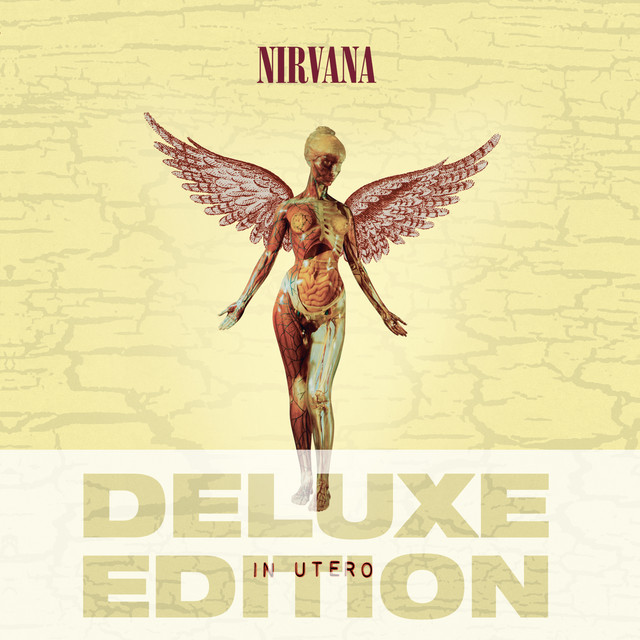
Nirvana's "Heart-Shaped Box" is more than just a single from their 1993 album, In Utero; it’s a complex exploration of love, pain, and entrapment. Released as the first single on August 17, 1993, the song captures the chaotic essence of Cobain's mind, reflecting not only personal struggles but also the broader cultural angst of the early '90s. Produced by Steve Albini, known for his raw and unrefined approach, the track perfectly complements the unsettling themes embedded within the lyrics.
A Box of Darkness
The metaphor of the heart-shaped box serves as a powerful symbol of both desire and confinement. Cobain opens the song with the line,
. This creates an immediate sense of being trapped, suggesting that love itself can be a form of imprisonment. The box, often associated with gifts and affection, here becomes a vessel of pain and emotional turmoil."I've been locked inside your heart-shaped box for weeks"
Love and Suffering
At its core, the song reflects the duality of love—its capacity to nurture but also to wound. The imagery Cobain employs evokes a sense of anguish; he sings about the struggles of intimacy while grappling with depression and addiction. Lines like
intensify this longing, yet they also hint at a darker undercurrent. The desire to connect is laced with an awareness of the pain it brings."I want to see you, I want to smell you"
Visual and Cultural Context
The music video, directed by Anton Corbijn, amplifies the song's themes. It features surreal imagery that feels hauntingly disjointed, mirroring Cobain's own sense of alienation. The visuals of a woman suspended in a box, surrounded by decay, reinforce the idea that beauty and suffering coexist within the realm of love. This aligns with the grunge aesthetic of the time, where raw emotions were laid bare, often revealing the ugliness hidden beneath the surface.
Critique of Fame
Additionally, "Heart-Shaped Box" can be interpreted as a critique of fame itself. Cobain often felt trapped by the expectations and scrutiny that came with his celebrity status. The line,
, echoes this sentiment, portraying fame as a sticky, inescapable force that ensnares him. The imagery speaks to how public perception can distort personal relationships, leading to isolation even amidst a crowd."I've been drawn into your magnet tar pit trap"
Legacy and Influence
Released during a time when alternative rock was challenging mainstream norms, "Heart-Shaped Box" stands as a testament to Nirvana's profound impact. The song, layered with complex meanings, continues to resonate with listeners, who find solace in its raw honesty. It remains a haunting reminder of Cobain's struggles and the dark corners of human emotion.
Did you know? "Heart-Shaped Box" was Nirvana's first single from In Utero, which marked a departure from the polished sound of their previous album, Nevermind.
Conclusion: The Enigma of Desire
Ultimately, "Heart-Shaped Box" encapsulates the enigma of desire wrapped in darkness. Cobain’s poignant lyrics and the haunting soundscape invite listeners to confront the complexities of love, pain, and the struggle for freedom. In a world often filled with superficial representations of romance, Nirvana's approach feels refreshingly authentic yet deeply unsettling, making the song an enduring classic in the realm of rock.