The Weight of Expectation
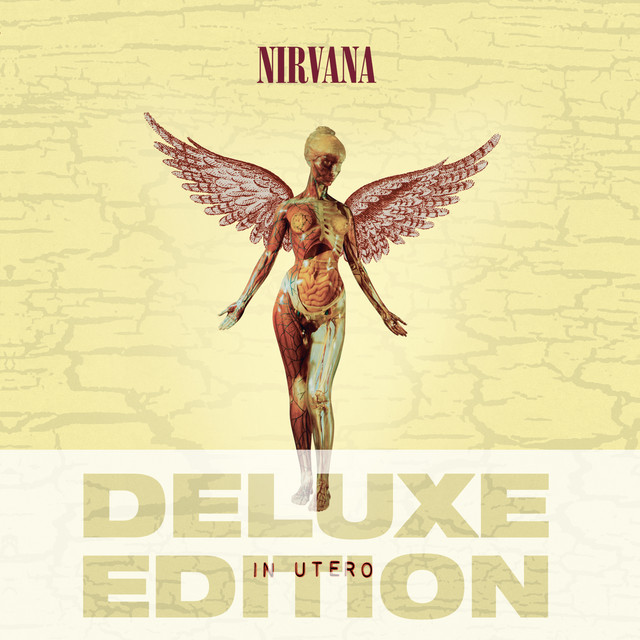
When Nirvana released "Heart-Shaped Box" in August 1993, the world was already acutely aware of Kurt Cobain's personal battles. The lead single from their third album, In Utero, this song is a raw reflection of his mental state, a manifestation of the pressure that fame placed on him. Produced by Steve Albini, who was known for his unrefined but honest approach to sound, the track embodies Cobain's disillusionment with the music industry and his own image.
Symbolism and Isolation
The song opens with a haunting melody that immediately sets a tone of despair. Cobain's lyrics often blur the lines between personal pain and external criticism. Lines like
suggest a suffocating entrapment, possibly reflecting his feelings about relationships, fame, and the expectations thrust upon him. This imagery evokes a sense of isolation, a theme that resonates throughout the entirety of In Utero."I've been locked inside your heart-shaped box for weeks"
The Struggle with Addiction
Cobain's struggles with addiction were well-documented, and "Heart-Shaped Box" can be interpreted as a commentary on his tumultuous relationship with substances. The lyric
hints at a desperation for surrender, a longing to relinquish control. This desire to be dominated mirrors his own chaotic lifestyle. Yet, it also serves as a critique of the culture that glorifies such behavior."I want to be your dog"
Public vs. Private Persona
In the song, Cobain confronts the dissonance between his public persona and private struggles. The repeated refrain,
, emphasizes not just a personal entrapment but also a critique of the public's perception of him. The heart-shaped box symbolizes the expectations and love he received from fans, which, instead of liberating him, felt more like a gilded cage."I've been locked inside your heart-shaped box for weeks"
A Reflection of Turmoil
The chaotic instrumentation mirrors the disarray in Cobain's mind. The song's abrupt shifts from soft verses to explosive choruses reflect the volatility of his emotions. It’s a sonic representation of his inner turmoil, a clash of beauty and pain that defines Cobain's artistry. This emotional honesty set Nirvana apart from their contemporaries, making their music resonate with a generation grappling with similar issues.
Interestingly, "Heart-Shaped Box" was the first single released from In Utero, an album that starkly contrasted the polished sound of their previous work, Nevermind.
Legacy of the Song
Even decades after its release, "Heart-Shaped Box" remains a poignant reminder of Cobain's complex legacy. It’s not just a song about love or loss; it’s a raw exploration of mental health and the price of fame. Cobain's ability to channel his struggles into art has left an indelible mark on music history, influencing countless artists who strive to share their own vulnerabilities.
Enduring Impact
Kurt Cobain's personal struggles are intricately woven into the fabric of "Heart-Shaped Box." The song's unsettling yet beautiful arrangement, coupled with its haunting lyrics, captures the essence of a man caught in a relentless battle with himself. Even today, listeners find solace in the raw honesty of Cobain's work, a testament to the power of music as a vehicle for expressing profound inner conflict.