The Birth of a Movement Soundtrack
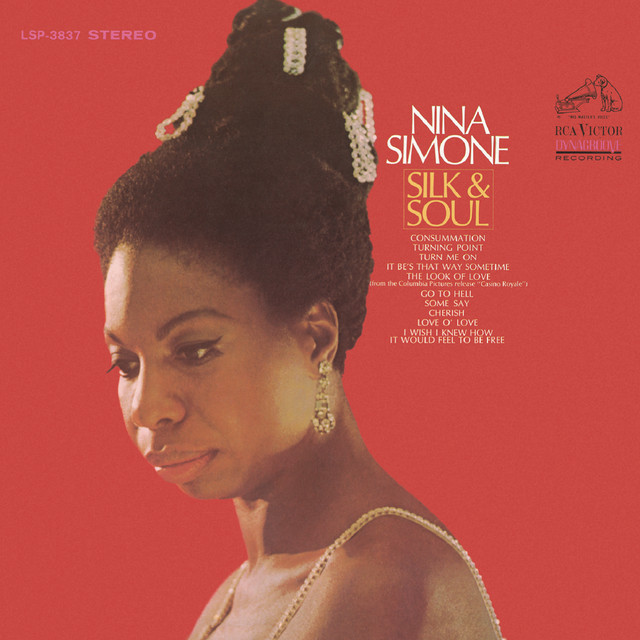
Nina Simone recorded "I Wish I Knew How It Would Feel to Be Free" in 1967 for her album Silk & Soul, a time when the civil rights movement was reaching its peak. The song's yearning for liberation and self-identity became an anthem that resonated with the struggles for racial equality in America.
Simone's ability to blend jazz, blues, and gospel created a sound that was not just musical but profoundly political. The lyrics express a desire for freedom that was both personal and collective, capturing the essence of a nation grappling with systemic oppression.
The Lyrics that Inspire
In the chorus, Simone's plea,
echoes the sentiments of countless activists who fought against segregation and injustice. This line encapsulates the longing for not only social change but also personal liberation—a duality that many listeners could connect with."I wish I knew how it would feel to be free"
Simone didn't shy away from the emotional weight of her artistry. She infused her performances with a raw passion that mirrored the fervor of the civil rights movement. The song's simple yet profound structure allows the listener to focus on the message and feel the urgency behind it.
Contextualizing the Message
Recorded during a turbulent era, the song found a home in the hearts of many who were actively participating in protests and sit-ins. The civil rights movement was not just about legislation; it was about the liberation of the spirit. Simone’s work highlighted this through its insistence on emotional truth and the lived experiences of Black Americans.
Her rendition creates a sense of hope, as if she’s urging her audience to envision a world where freedom is a reality. The line
powerfully symbolizes the desire to break free from societal constraints, urging listeners to witness the potential for change."I wish I could all the shackles off my feet"
A Lasting Legacy
Decades later, the song was revived by the British duo Lighthouse Family in their medley track (I Wish I Knew How It Would Feel to Be) Free/One. Their version, released as a single in 1997, brought a new generation into the fold, showcasing the timeless appeal of Simone’s message. The duo maintained the essence of the original while layering it with their own contemporary sound.
In 2021, a new generation of artists continues to cite Simone as an influence, emphasizing her impact on music and activism.
The enduring nature of this song speaks volumes about its roots in the civil rights movement. In a world still grappling with issues of inequality, Simone’s call for freedom remains relevant. It serves as a reminder that the fight for justice is ongoing and that music has the power to inspire change.
Reflection in Modern Times
Simone’s ability to encapsulate the frustrations and hopes of a generation still rings true today. The song’s introspective nature invites listeners to reflect on their own experiences with freedom and identity. In a time when many still find themselves shackled by various forms of discrimination, her words resonate with a haunting clarity.
As we listen to "I Wish I Knew How It Would Feel to Be Free," we are reminded that the pursuit of freedom is not merely a historical narrative but an ongoing struggle—one that continues to inspire artists and activists alike. The civil rights movement paved the way for such expressions, and Simone's work remains an integral part of that legacy.