Finding Freedom in Struggle
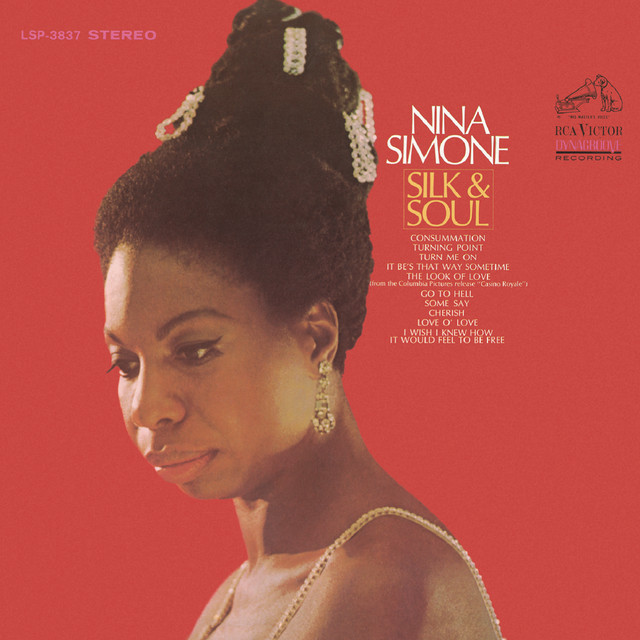
Nina Simone’s 1967 track, "I Wish I Knew How It Would Feel to Be Free," is more than just a song; it’s a raw expression of the existential battles that defined her life. Recorded for her album Silk & Soul, the song captures Simone’s yearning for liberation, both personally and as a Black artist in America. The lush instrumentation and Simone’s haunting vocals provide a backdrop for a message that is at once universal and deeply personal.
A Personal Anthem of Liberation
Simone wrote this song during a time when she was grappling with her identity, both as a woman and as a Black artist navigating a world rife with racial tensions. The lyrics echo her frustration and longing:
This line encapsulates her desire for autonomy, not just in the societal sense, but in her artistic expression as well."I wish I knew how it would feel to be free."
The Weight of Identity
Throughout her career, Simone faced the dual challenges of racial injustice and the expectations imposed on her as a woman. Her music became a vehicle for her resistance, yet it also served as a mirror reflecting her inner turmoil. Tracks like this one reveal her struggles with identity, effectively showcasing how her personal experiences shaped her artistry. The fluidity of her style in Silk & Soul highlights this conflict—one moment she’s a jazz singer, the next a soul artist, embodying the very essence of a woman caught between worlds.
The Medley's Modern Resonance
Years later, British duo Lighthouse Family covered the song in a medley titled "(I Wish I Knew How It Would Feel to Be) Free/One," breathing new life into Simone's original message. Their version, while more polished, still nods to the emotional core of Simone’s work, demonstrating the song's enduring relevance. The blend of pop and soul in their rendition underscores how the themes of freedom and identity continue to resonate across genres and generations.
Nina Simone was not just a performer; she was a civil rights activist, using her platform to address social issues of her time.
A Legacy of Fearlessness
Simone’s commitment to speaking out against injustice places "I Wish I Knew How It Would Feel to Be Free" firmly within the civil rights movement. The song became an anthem for those fighting for equality, a reminder that the quest for freedom is both a personal and collective journey. As she sings about wanting to break free from societal chains, Simone invites listeners to reflect on their own struggles with identity and freedom.
Conclusion: A Timeless Cry for Freedom
The power of "I Wish I Knew How It Would Feel to Be Free" lies in its ability to articulate a profound yearning for liberation that transcends time and circumstance. As we continue to navigate issues of identity and freedom today, Simone’s words serve as a powerful reminder of the struggles that shape us. Her music remains a beacon for those still fighting for their own sense of freedom, ensuring that her legacy endures.