The Heart of a Letter
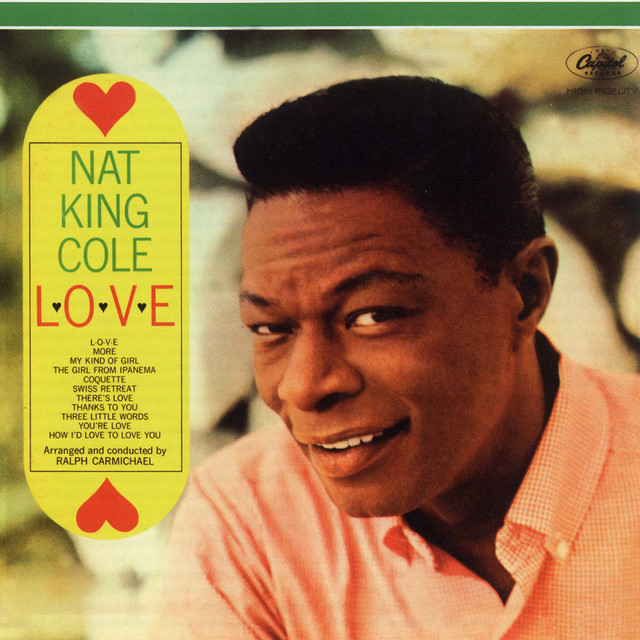
Nat King Cole's "L-O-V-E" is a staple in the fabric of American music, an enchanting tune that has transcended generations. Released in 1965 on his final studio album of the same name, the song is often viewed as a simple expression of love. However, its origins are rooted in a much more personal and nostalgic place: childhood letters.
Written by Bert Kaempfert and Milt Gabler, the song presents an uncomplicated yet profound message, emphasizing the letters that spell out love. But what many may not realize is that this theme echoes a common sentiment found in the innocent exchanges of young children, who frequently express their feelings through handwritten notes. This playful element of spelling out emotions with letters is mirrored in the song’s structure.
A Personal Connection
For Cole, the act of singing about love through the simplicity of letters likely bore a deeper significance. Throughout his career, Cole was known for his smooth voice and sophisticated style, yet he often celebrated the mundane aspects of love. The idea of writing letters as a means of communication is emblematic of a time when love was expressed in more tangible forms.
"L is for the way you look at me, O is for the only one I see..."
This lyric captures the essence of youthful affection—simple, direct, and unabashedly sincere. Children often write letters that are straightforward, capturing the essence of their emotions without pretense. In this light, Cole’s delivery becomes a warm reminder of those early experiences of love, stripped of adult complexities.
The Final Touch
As the last studio album released during his lifetime, "L-O-V-E" holds a special place in Cole’s discography. Produced by Ralph Carmichael, the album carried a sense of closure and reflection. Each song, including the title track, served as a testament to Cole's enduring legacy in a changing musical landscape.
Interestingly, "L-O-V-E" was one of the last songs recorded before Cole's passing in 1965, adding a layer of bittersweet nostalgia to its upbeat melody.
By channeling the simplicity of childhood letters, Cole crafted a song that is both timeless and deeply personal. The playful yet sincere nature of the lyrics invites listeners to reconnect with their own youthful experiences of love. It’s a reminder that love can be as simple as spelling out those four crucial letters.
A Legacy of Love
"L-O-V-E" continues to be a fixture at weddings, anniversaries, and romantic gatherings, proving that its message is not only universal but also ageless. In an era where digital communication dominates, the essence of writing letters remains a powerful symbol of affection.
Nat King Cole's ability to tap into this theme mirrors the nostalgia for simpler times when love was expressed through tangible gestures. His rendition transforms a childhood exercise into a classic, resonating with anyone who has ever felt the innocent thrill of love in its purest form.
"E is even more than anyone that you adore..."
Through these lyrics, Cole illustrates that love is not just a feeling but an experience that binds us together. In doing so, he elevates the act of spelling out love into a celebration of connection, making "L-O-V-E" a lasting anthem for lovers everywhere.