The Dystopian Echoes in 'Uprising'
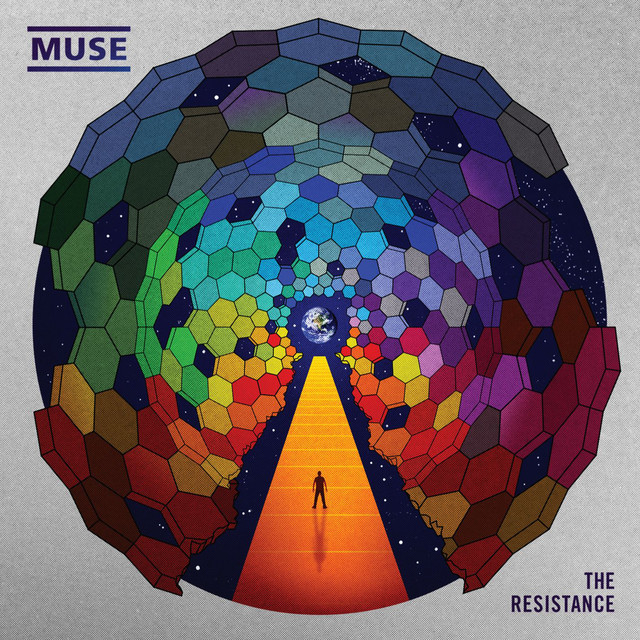
Muse's 'Uprising,' released as the lead single from their fifth studio album, The Resistance, in 2009, is not merely an anthem of rebellion; it is a sonic reflection of the dystopian narratives that have long captivated literature and film. The song's pulsating rhythm and urgent lyrics tap into a collective anxiety about government overreach and societal control, themes prevalent in works from Orwell's '1984' to Atwood's 'The Handmaid's Tale.'
Lyrics That Challenge Authority
The driving force of 'Uprising' lies in its confrontational lyrics. The opening lines set the tone for a call to arms against an oppressive regime. The lines,
, evoke a sense of defiance that mirrors the resistance seen in dystopian literature. This sentiment encapsulates the struggle against authoritarianism, a common thread in narratives exploring totalitarian worlds."They will not force us, they will stop degrading us"
Musical Composition and Dystopian Soundscapes
Musically, 'Uprising' employs a blend of rock and electronic elements that create a sense of urgency. The heavy basslines and synth layers craft a sonic landscape reminiscent of a world on the brink of chaos. This mirrors the anxiety-filled atmospheres found in dystopian tales, where the environment often reflects the internal turmoil of the characters.
Resistance as a Central Theme
Thematically, 'Uprising' aligns with the notion of resistance, a powerful concept in both Muse's work and dystopian literature. The album title, The Resistance, emphasizes the fight against oppression, encapsulated in lyrics like
. This mirrors the journeys of characters in dystopian fiction, who often find themselves battling against insurmountable odds to reclaim their freedom."They will not control us, we will be victorious"
Literary Parallels
"Fat cats had a heart attack"
, critiques the elite's disregard for the populace, echoing sentiments found in many dystopian narratives where the ruling class exploits the masses.Impact and Relevance
Upon its release, 'Uprising' resonated with listeners who felt disillusioned by political events and societal shifts. The song's themes of rebellion and empowerment invigorated a generation grappling with issues of power and control, making it a rallying cry for protests and movements worldwide. It is a modern anthem that draws from the rich tradition of dystopian literature, merging music and narrative in a way that feels timely and urgent.
Interesting fact: Muse's The Resistance won the Grammy Award for Best Rock Album in 2011, highlighting the critical acclaim and cultural resonance of their work.
A Lasting Legacy
In an age where dystopian narratives are more relevant than ever, 'Uprising' stands as a testament to the power of music as a form of protest. Its ability to channel literary themes into a contemporary context reveals the enduring nature of these stories. Muse not only entertains but also provokes thought, urging listeners to confront the realities of their world. As we navigate an increasingly complex societal landscape, the themes of 'Uprising' remind us that resistance is not only possible but necessary.