The Birth of a Protest Anthem
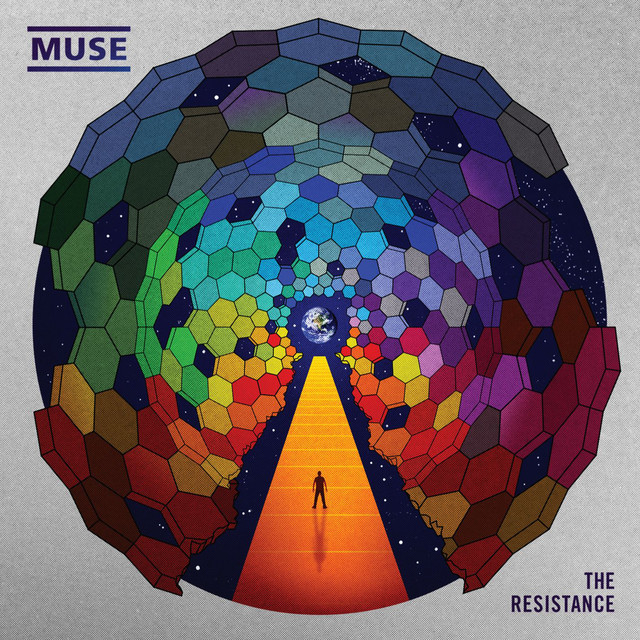
When Muse released "Uprising" on August 4, 2009, as the lead single from their fifth studio album, The Resistance, few could have predicted its trajectory toward becoming a rallying cry for global protests. The track, fueled by a pulsating bass line and Matt Bellamy's commanding vocals, captures an urgent call to action that resonates with the disenfranchised.
The Context of Rebellion
The album itself emerged during a time of widespread discontent, following the 2008 financial crisis and amidst growing political unrest across the globe. With lyrics that convey a sense of defiance against corrupt systems, Muse tapped into a collective frustration that was palpable in the air. The lines,
, became anthemic, evoking the spirit of resistance that would soon be echoed in protests from the Arab Spring to the Black Lives Matter movement."They will not force us, they will not control us"
Global Resonance
As various social movements gained momentum, the song's themes of uprising and rebellion found new audiences. During the Arab Spring, protestors in Tunisia and Egypt embraced "Uprising" as they took to the streets, using its powerful energy to galvanize their efforts against oppressive regimes. The track's infectious chorus, an invitation to stand up and resist, became a soundtrack for those demanding change.
Musical Impact
Musically, "Uprising" combines elements of rock, electronic, and orchestral arrangements, creating a soundscape that feels both grand and intimate. Producer Mike Spencer helped craft this blend, allowing the band's vision to shine through. The contrast of the heavy, industrial sound with Bellamy's soaring vocals makes it impossible to ignore. It’s a song that demands attention, and that’s precisely what protestors needed.
From Protests to Pop Culture
Moreover, its influence didn't stop with protests. "Uprising" has permeated pop culture, featured in major films, television shows, and even video games, further solidifying its place as a symbol of resistance. The song's accessibility has helped it transcend its original context, making it a go-to anthem for various causes. Social media amplified this reach, with clips of protests often set to the explosive chorus, uniting those fighting for justice.
The Legacy of 'Uprising'
As we reflect on the years since its release, it's clear that "Uprising" has evolved into more than just a song; it’s a cultural phenomenon. Its ability to articulate the frustration and hope of millions is undeniable. The line,
, speaks volumes to those who feel their voices have been marginalized. Muse has provided a soundtrack for a generation unwilling to be silenced."They will not stop disturbing us"
The music video for "Uprising" features powerful imagery of rebellion, including masked figures, which has further fueled its association with protest movements.
Conclusion
In a world where music often reflects societal issues, "Uprising" stands tall as a testament to the power of art to inspire change. Whether in the streets of Cairo or on the stages of protests worldwide, Muse’s anthem continues to echo the cries for justice and equality.