The Rise of Occult Imagery in Metal
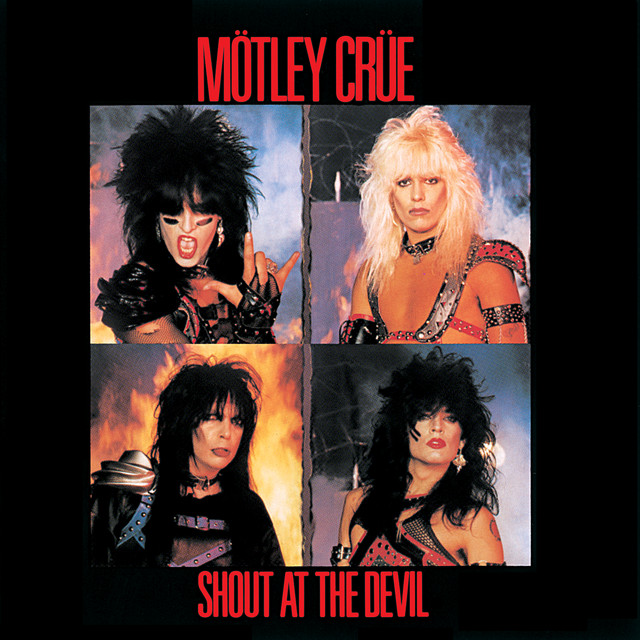
When Mötley Crüe released their second album, Shout at the Devil, on September 23, 1983, they didn't just make a statement about heavy metal; they ignited a cultural phenomenon. The title track, written by bassist Nikki Sixx, is steeped in themes of superstition and the occult, reflecting a time when such imagery was both provocative and emblematic of rebellion.
Provocation Through Imagery
The album cover — a striking black-and-white image featuring a horned figure — sets the tone for a record that revels in darkness. This was a bold move at a time when metal was already straddling the line between mainstream acceptance and underground mystique. In many ways, the song 'Shout at the Devil' serves as a rallying cry for those disillusioned by societal norms.
Lyrics That Challenge the Status Quo
The lyrics themselves provide a glimpse into this world of superstition. Lines like
act as a mantra, urging listeners to confront their fears and embrace the chaos that life can bring. It’s not merely an invitation to rebel; it's a challenge to engage with the darker aspects of existence."Shout at the devil, shout at the devil"
Symbolism and Its Context
Superstition in 'Shout at the Devil' is not just for shock value. The occult references reflect a deeper exploration of power dynamics. The devil, often portrayed as an adversary, also embodies freedom from societal constraints. In a genre where individualism reigns, invoking such imagery invites listeners to question established beliefs.
Nikki Sixx's Vision
Nikki Sixx's fascination with the occult is well-documented. He infused Shout at the Devil with personal experiences and fears, thus creating a visceral connection with listeners who might share similar struggles with darkness. This authenticity is what makes the song resonate beyond mere theatrics.
The Impact on Heavy Metal Culture
Mötley Crüe's use of occult imagery paved the way for future bands to explore similar themes. Groups like Slayer and Black Sabbath would later build on this foundation, each adding their own spin to the narrative of rebellion against a perceived moral majority. The lyrics in 'Shout at the Devil' became a touchstone for a generation eager to embrace the taboo.
Interesting fact: The album was produced by Tom Werman, who helped shape the sound that would define 80s glam metal.
Controversy and Cultural Backlash
Despite its commercial success, Shout at the Devil faced backlash from religious groups who saw the band as a threat to moral values. This controversy only fueled the band's image as provocateurs and solidified their place in rock history. The song became an anthem not just for fans, but for anyone who felt marginalized by conventional standards.
A Legacy of Defiance
Decades later, the themes of superstition and the occult in 'Shout at the Devil' continue to resonate. The song's audacity to confront the darker side of human experience remains relevant, echoing in the lyrics of modern metal and rock artists. In a world where fear often reigns, Mötley Crüe's call to
is as powerful as ever."shout at the devil"