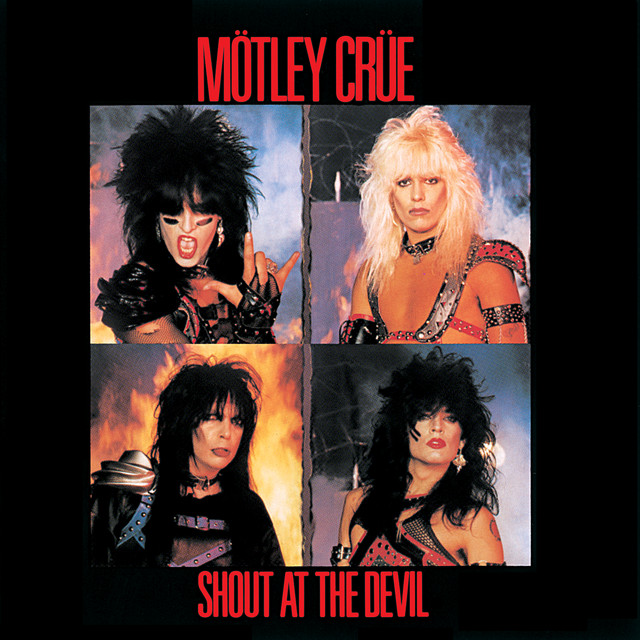
The Birth of a Movement
Released on September 23, 1983, Mötley Crüe's second album, Shout at the Devil, didn't just catapult the band into the limelight; it ignited a glam metal explosion that would dominate the '80s. With its bombastic sound and audacious themes, the album set a new standard for what heavy metal could be, intertwining rebellion with an unapologetic embrace of excess.
The title track, Shout at the Devil, is a perfect encapsulation of this shift. Written by bassist Nikki Sixx, it combines heavy guitar riffs with a catchy chorus that invites listeners to join in on the anthemic celebration of chaos. This wasn’t just a song; it was a rallying cry for a generation disillusioned with the status quo.
Theatricality and Rebellion
As glam metal emerged, it became synonymous with flamboyant aesthetics and theatrical performances. Mötley Crüe, with their leather-clad looks and wild stage antics, personified this movement. The raw energy of Shout at the Devil showcases a lyrical bravado that urges listeners to embrace their darker impulses and reject societal norms. Lyrics like
echo a sense of fearless rebellion that resonated deeply with their audience."Shout, shout, shout at the devil!"
This wasn't merely about shock value; it was also a cleverly crafted persona that appealed to youth culture. This was a time when the conservative values of the late '70s were giving way to a more liberated, expressive ethos. Mötley Crüe became the poster children for this movement, and their music reflected that ethos in every chord.
The Broader Context of Glam Metal
Glam metal's rise was also a response to the grittier rock sounds of the '70s. Bands like Aerosmith and KISS paved the way, but Mötley Crüe took it a step further by injecting a sense of drama and spectacle. Shout at the Devil was not just an album; it was a manifesto for a whole subgenre that thrived on its own excesses.
Produced by Tom Werman, who had previously worked with bands like Cheap Trick, the album's polished sound was a departure from the raw production of earlier metal albums. This allowed Mötley Crüe to blend heavy metal's aggression with melodic hooks, making their music accessible while still maintaining a hard edge.
The Legacy of 'Shout at the Devil'
The influence of Shout at the Devil is undeniable. It laid the groundwork for countless acts that followed, from Poison to Bon Jovi, who would echo its blend of glam, metal, and theatricality. The album didn't just define Mötley Crüe’s career; it redefined the entire genre. As glam metal took off in the latter half of the '80s, the foundations built by Mötley Crüe became the blueprint for what would follow.
Interesting fact: The album cover, featuring a pentagram and demonic imagery, sparked controversy and was pivotal in shaping the band's rebellious image.
As the '80s progressed, Mötley Crüe continued to push boundaries, but it was Shout at the Devil that set the stage. Its legacy is etched in the annals of rock history as a defining moment that heralded the rise of glam metal, a genre that celebrated excess, rebellion, and an unapologetic embrace of the outrageous.