Breaking the Mold with Experimental Sounds
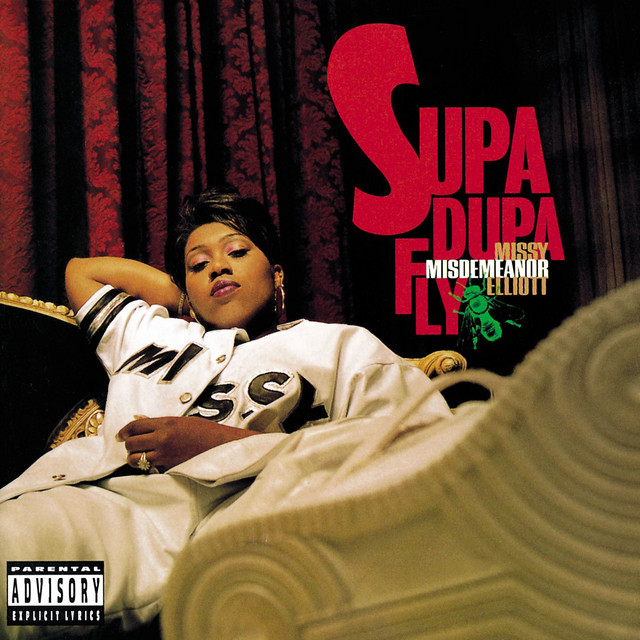
When Missy Elliott released "The Rain (Supa Dupa Fly)" as her debut solo single in 1997, it marked a seismic shift in hip-hop production. Co-produced by Timbaland, the track is a masterclass in unconventional choices, blending elements of soul, funk, and electronic music in a way that felt both fresh and disorienting.
Unlike the polished beats prevalent in mainstream hip-hop at the time, Elliott and Timbaland opted for a raw, almost lo-fi aesthetic. The production features a swirling, hypnotic instrumental that relies heavily on a minimalist approach, allowing Missy's distinctive voice and lyrical prowess to take center stage. The use of vocal samples and stuttering beats creates a fragmented soundscape that feels alive and unpredictable.
Sampling as an Art Form
The backbone of "The Rain" is its clever sampling of Ann Peebles' 1973 track "I Can't Stand the Rain." This choice is not merely for nostalgia; it serves as a thematic anchor for the song. By flipping a classic soul track, Elliott connects her contemporary narrative to a lineage of Black musical heritage, all while infusing it with a modern twist.
"I can't stand the rain / Against my window"
These lines echo Peebles' original sentiment but are transformed into a declaration of empowerment. Missy's adaptation highlights her ability to reclaim and recontextualize old narratives, turning a feeling of sorrow into one of strength.
Innovative Use of Silence and Space
One of the most striking features of the song is its use of silence and space. Timbaland's production is characterized by pauses that create tension, allowing Missy's voice to fill the void. This is especially evident in the chorus, where the abrupt shifts in rhythm and the absence of sound amplify the impact of her lyrics.
Such choices contribute to a feeling of urgency, making the listener lean in closer. It's a technique that few artists were employing in the late '90s, demonstrating Missy's forward-thinking approach to songwriting and production. The interplay of silence in the verses and the explosive chorus captures the essence of her artistic vision.
Cultural Impact and Legacy
"The Rain (Supa Dupa Fly)" not only showcased Missy's unique artistry but also paved the way for a new era in hip-hop. The song's distinct sound opened doors for experimentation within the genre, influencing countless artists and producers in the years that followed. It was a radical departure from the status quo, breaking gender norms and redefining what a female rapper could sound like.
Interesting fact: The music video for "The Rain" features Missy in a plastic garbage bag suit, becoming an iconic fashion moment and a symbol of her avant-garde style.
More than just a song, "The Rain (Supa Dupa Fly)" is a cultural statement. It represents a moment where innovation met authenticity, laying the groundwork for Missy's illustrious career and solidifying her place as a visionary in music history.