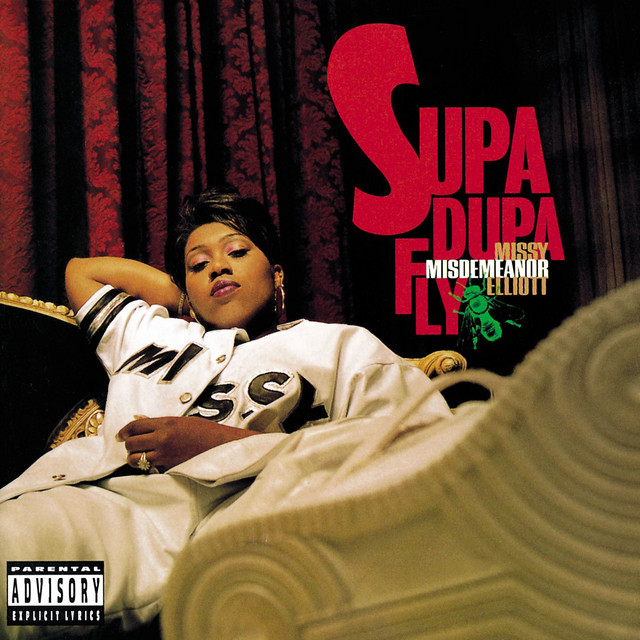
Introduction to a Fashion Game-Changer
When Missy Elliott dropped her debut single, "The Rain (Supa Dupa Fly)," on July 15, 1997, it wasn't just a sonic breakthrough; it was a fashion statement that would echo through the ages. The song, from her debut album Supa Dupa Fly, produced by Timbaland, showcased an innovative sound that blended hip-hop with R&B, but it was Missy's audacious style that truly turned heads.
From Baggy to Bold: The 90s Aesthetic
In an era dominated by oversized tees and baggy jeans, Missy Elliott dared to go against the grain. Her iconic black rubber suit in the music video for "The Rain" was a daring departure from the traditional hip-hop attire. This wasn’t just about fashion; it was a bold proclamation of her individuality. Where many female rappers leaned into hyper-feminine aesthetics, Missy embraced a more avant-garde approach, mixing streetwear with high fashion.
Incorporating Elements of Hip-Hop Culture
Missy’s style was a reflection of the hip-hop culture of the 90s, which often included a blend of sportswear and urban aesthetics. She wore her outfits with a confidence that challenged societal norms about femininity. Her use of accessories, like the oversized sunglasses and chunky jewelry, complemented her playful persona. The lyric,
isn't just a catchy hook; it highlights her mischievous spirit and her refusal to conform.“I’m Missy, I’m a Misdemeanor”
Pushing Boundaries in Fashion and Gender
The fashion choices in "The Rain" also signaled a shift in gender dynamics within hip-hop. Missy’s rejection of traditional feminine attire was empowering for many women in the industry and beyond. She was not just a female rapper; she was a fashion icon who created a space for women to express themselves without the constraints of gender norms.
Impact on Future Generations
Missy Elliott’s influence extended far beyond 1997. Artists like Nicki Minaj and Cardi B cite her as an inspiration, not just musically, but also in terms of style. The blend of high fashion and streetwear that Missy championed laid the groundwork for the modern hip-hop aesthetic we see today. Her music videos became a masterclass in visual storytelling, blending fashion with narrative in ways that were revolutionary for the genre.
A Lasting Legacy
The success of "The Rain (Supa Dupa Fly)" wasn’t just about chart performance; it was about cultural impact. Missy Elliott carved a niche for herself that celebrated creativity, individuality, and self-expression. Her fashion choices were a reflection of a broader movement within hip-hop that embraced diversity and challenged stereotypes.
Missy Elliott's unique style has led to a resurgence of 90s fashion trends in today's pop culture, inspiring designers and musicians alike.
Conclusion: More Than Just a Song
Missy Elliott’s "The Rain (Supa Dupa Fly)" is a seminal work that changed the landscape of hip-hop not only through its music but also through its fashion. While the beats laid down by Timbaland created a new sound, it was Missy’s bold visual choices that left an indelible mark on the culture. In a world where fashion often mirrors music, Missy stood at the forefront of both, proving that the two are inextricably linked.