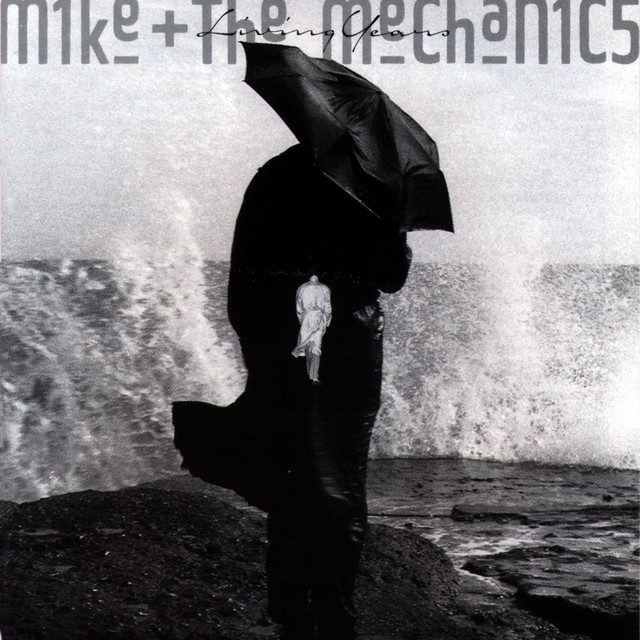
Forging a Dialogue
Released in 1988 as part of the album of the same name, "The Living Years" by Mike + The Mechanics is not just another rock ballad; it’s a cultural landmark that has shaped how families approach the complex web of communication and regret. The song, co-written by BA Robertson and Mike Rutherford, was a massive hit, reaching number one in multiple countries and resonating with listeners who grappled with similar themes.
The Power of Unsaid Words
The track's narrative centers on the strained relationship between a father and son, underscoring the often unspoken words that haunt families. The line,
serves as a painful reminder of lost opportunities for connection. This sentiment can strike a chord with anyone who has felt the weight of unsaid emotions, pushing listeners to confront their own familial relationships."I wasn't there that morning / When my father passed away"
A Catalyst for Conversation
Many listeners credit the song with encouraging them to address unresolved issues within their own families. The raw honesty of the lyrics prompts reflection, as it highlights how vital it is to express feelings while there’s still time. The heartfelt delivery by lead vocalist Paul Carrack adds another layer of urgency, making the song feel like a desperate plea for communication. Its impact is evident in family conversations long after its release, as it reminds us all to speak up before it's too late.
Generational Impact
The song resonates across generations, turning it into a bridge for discussions about regret that may have lingered for decades. Parents and children have found common ground through its themes, often using the song as a springboard for difficult conversations. It’s not merely a lament; it’s an invitation to engage, to share, and to heal.
Reflections on Regret
At its core, "The Living Years" is about grappling with regret and the emotional burden of not having said the right things. The chorus, which echoes a plea for understanding, captures a universal struggle:
This line encapsulates the urgency of open dialogue, reminding us that communication is not just beneficial but essential."It's too late when we die / To admit we don't see eye to eye"
Reception and Legacy
The song's success can be attributed to its relatable content and the raw emotion behind it. Critics hailed it for its poignant storytelling and the way it tackled a sensitive subject with grace. It's not just a staple of rock radio; it's a conversation starter that has transcended generations.
Interesting fact: "The Living Years" won an Ivor Novello Award for Best Song Musically and Lyrically in 1990, highlighting its lyrical prowess.
A Continued Relevance
Decades later, the song's relevance persists. In an age where mental health and emotional well-being are at the forefront of societal discussions, the themes of "The Living Years" continue to resonate. Families are increasingly encouraged to address their issues before they become insurmountable. The song offers a blueprint for healing, reminding us that the most meaningful conversations often come from the heart.
The Enduring Message
The legacy of "The Living Years" speaks to the importance of communication in familial relationships, challenging us to confront uncomfortable truths. As we navigate our own lives, the song remains a touchstone for those seeking to mend broken connections. The enduring message is clear: there is power in speaking, and it’s never too late to start that conversation.