Personal Pain and Public Expression
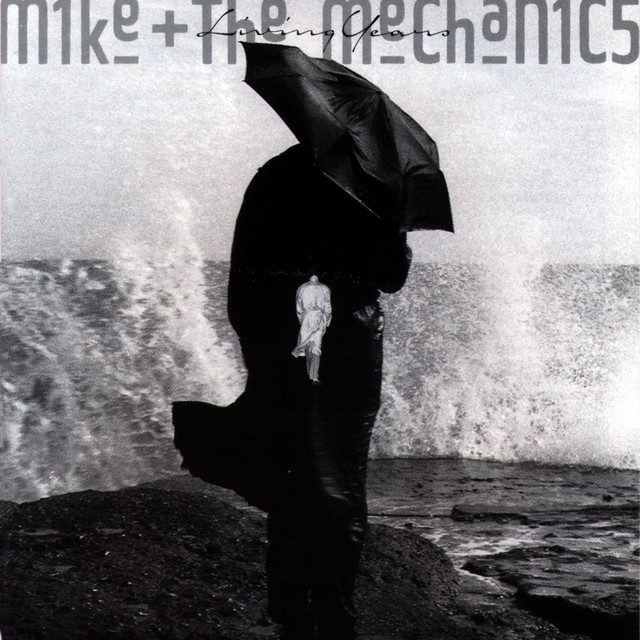
When Mike Rutherford co-wrote "The Living Years" with BA Robertson, he wasn't just crafting a hit song; he was channeling the emotional weight of his own life experiences. Released in 1988 on the album of the same name, the track became a defining moment for Mike + The Mechanics, a group formed by Rutherford after his tenure with Genesis. The song's exploration of father-son relationships is rooted in Rutherford's own struggles with communication and reconciliation.
The Weight of Regret
The lyrics of "The Living Years" reflect a raw honesty that stems from Rutherford's complicated relationship with his father, who passed away when Rutherford was still finding his footing in the world. The line,
serves as a stark reminder of the necessity for open dialogue, especially in familial relationships that often remain unspoken."Say it loud, say it clear, you can listen as well as you hear,"
A Universal Message
The universality of the song's themes spans generations, allowing listeners to connect with their own experiences of loss and regret. Rutherford's heartfelt delivery resonates with anyone who has grappled with the idea of unexpressed feelings, particularly in the context of a parent-child dynamic. The song stands as a powerful indictment of the silence that often envelops these relationships.
Musical Composition and Production
Produced by Peter van Hooke, the track features a rich arrangement that complements its emotional weight. The blend of rock and pop elements creates an anthemic quality that has made it a staple on radio playlists. The instrumentation, with its prominent horns and melodic guitar lines, supports the lyrical narrative, making the listener feel the urgency of the message.
Legacy of 'The Living Years'
Decades after its release, "The Living Years" continues to be relevant, serving as a reminder of the importance of communication before it’s too late. Rutherford's personal narrative behind the song adds layers to its interpretation, making it more than just a chart-topping single; it’s a heartfelt plea for understanding and connection. It carved out a space for discussions about emotional health in the realm of rock music, a genre often criticized for its surface-level themes.
Interesting fact: "The Living Years" reached number one on the Billboard Hot 100 in the U.S. in 1989, solidifying Mike + The Mechanics' place in rock history.
Final Thoughts
Rutherford's autobiographical elements in "The Living Years" illuminate the personal battles many face when it comes to family dynamics. The song serves as a powerful reminder that it’s never too late to mend broken bridges, urging listeners to confront their own experiences of love and loss with honesty.