Jazz Influences in a Pop Context
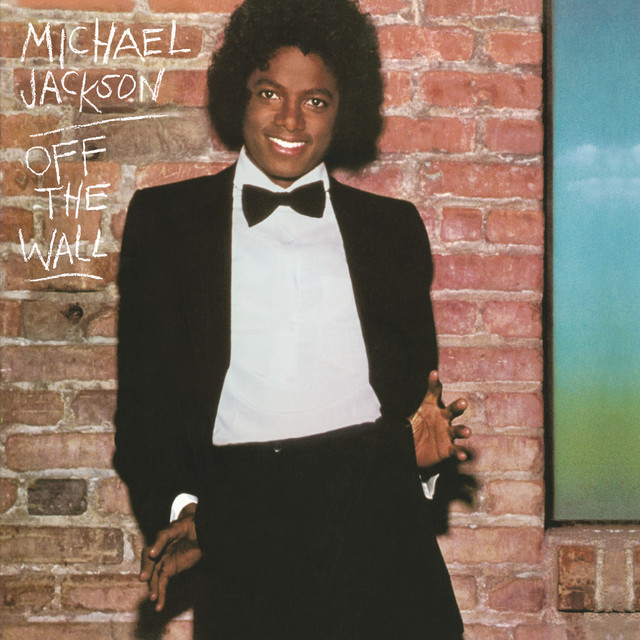
'I Can't Help It,' from Michael Jackson's 1979 album 'Off the Wall,' stands out as a unique blend of pop and jazz, a genre-defying track that showcases Jackson's vocal prowess. Produced by the legendary Quincy Jones, the song is often overlooked in favor of Jackson's more upbeat hits, yet it reveals a different side of the artist.
Unlike the disco-driven sound of tracks like 'Get on the Floor' from the same album, 'I Can't Help It' employs a softer, more intimate arrangement. The lush instrumentation, featuring a gentle piano, soft strings, and a delicate bassline, creates a laid-back vibe that is both soothing and sophisticated.
Quincy Jones once compared Jackson to jazz legends, emphasizing the singer's ability to convey emotion through subtlety.
Instrumentation Choices and Their Impact
The instrumentation in 'I Can't Help It' is crucial to its emotional weight. The song opens with a silky smooth piano melody that sets the tone. This choice steers clear of heavy beats, instead inviting listeners into a world where Jackson's voice can shine.
The bass plays a subtle but pivotal role, providing an undercurrent that enhances the song's jazzy feel. Unlike the more aggressive bass lines common in disco, here it supports rather than dominates, allowing Jackson's nuanced vocals to take center stage.
"I can't help it if I wanted to... I wouldn't change it if I could."
These lines encapsulate a sense of vulnerability and resignation, perfectly matched by the song's instrumentation. The way the strings swell gently in the chorus adds a layer of warmth, underscoring the emotional complexity of the lyrics.
Vocal Delivery and Arrangement
Jackson's vocal delivery in 'I Can't Help It' is a masterclass in restraint. The way he glides over the melody, employing jazz-inflected phrasing, showcases his ability to manipulate tone and timing. Quincy Jones's arrangements allow Jackson's voice to dance lightly around the instrumentation, rather than overpower it.
This approach contrasts sharply with the more energetic tracks on 'Off the Wall.' Here, the focus is on intimacy and connection, a testament to Jackson's versatility as an artist. His phrasing and breath control evoke a sense of longing and desire, making the listener feel every emotion.
Legacy and Influence
'I Can't Help It' may not have topped charts like 'Don't Stop 'Til You Get Enough,' but its influence is palpable in contemporary music. Artists like Bruno Mars and Alicia Keys have drawn from Jackson’s jazz-infused style, incorporating similar instrumentation and vocal techniques in their own work.
The song serves as a reminder of Jackson's ability to transcend genre boundaries. While it’s easy to box him into pop or R&B, tracks like 'I Can't Help It' show how he effortlessly dabbled in other styles, creating a unique sound that still feels fresh today.
'I Can't Help It' has been covered by various artists, highlighting its lasting impact and appeal across generations.
Ultimately, the unique instrumentation of 'I Can't Help It' not only defines its vibe but also encapsulates the essence of Michael Jackson as an artist. It’s a track that invites listeners to slow down, listen closely, and appreciate the artistry that lies beneath its smooth exterior.