The Motown Connection
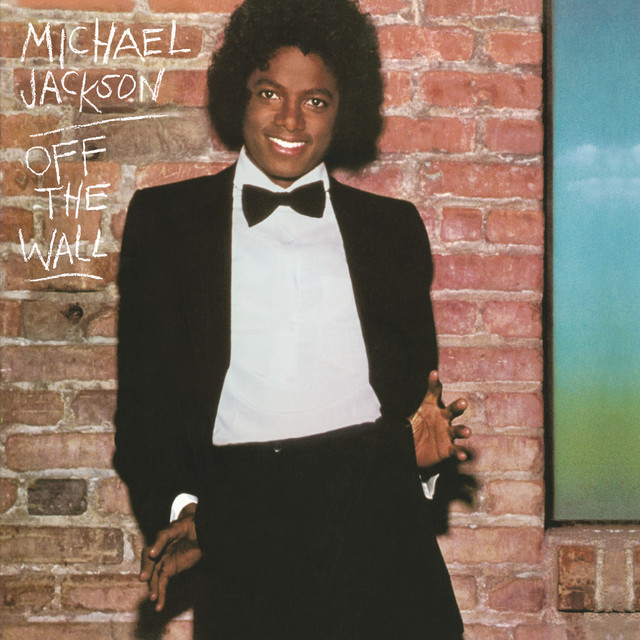
Michael Jackson’s "I Can’t Help It," from the 1979 album Off the Wall, is a striking testament to the enduring influence of Motown's songwriting legacy. Written by Stevie Wonder and Susaye Greene, the track finds its roots in the rich tradition of Motown, where lyrical craftsmanship and melodic sophistication were paramount. The song exudes a soulful groove, reminiscent of the era's best, yet it also stands as a unique blend of pop and jazz.
A Jazz Influence
What sets "I Can’t Help It" apart is its jazz flair, a genre that Jackson often flirted with throughout his career. Quincy Jones, the producer behind Off the Wall, recognized Jackson’s ability to navigate complex melodies, comparing him to iconic jazz singers. This comparison is not unwarranted; the song's intricate chord progressions and subtle syncopations demand a nuanced vocal delivery that Jackson provides with grace.
Lyricism Rooted in Emotion
The lyrical content of "I Can’t Help It" embodies the Motown ethos of emotional sincerity. Lines like
reflect a deep, almost confessional longing. In Motown's heyday, artists were often tasked with conveying complex feelings through simple yet impactful lyrics, and Jackson accomplishes this with effortless charm. His delivery brings a vulnerability that resonates with listeners, a hallmark of the Motown sound."I can’t help it if I wanted to"
Melodic Sophistication
In the context of the disco-infused tracks like "Get on the Floor" from the same album, "I Can’t Help It" serves as a counterpoint. While disco often thrives on danceability, this track leans into a more contemplative mood. The song’s lush instrumentation — replete with strings and soft percussion — further enhances its jazz undertones, providing a soothing backdrop for Jackson's smooth vocals.
The Legacy of Motown Songwriting
Motown's influence on Jackson extends beyond mere stylistic choices; it permeates the very fabric of his musical identity. The label was known for its meticulous attention to songwriting and arrangement, a standard that Jackson carried into his solo career. In tracks like "I Just Can't Stop Loving You," released years later, we still hear the echoes of that Motown legacy in his emotive delivery and melodic choices.
Interestingly, "I Can’t Help It" was initially written for Wonder’s own album, showcasing the interconnectedness of Motown artists and their collaborative spirit.
Conclusion: A Lasting Influence
Ultimately, "I Can’t Help It" stands as a powerful example of how Motown's songwriting legacy shaped Michael Jackson's artistry. It combines jazz influences with the emotional weight typical of Motown's best work, proving that even as he evolved into a global superstar, Jackson's roots remained firmly planted in the rich soil of Motown's creative legacy.