Seger's Original: A Haunting Reflection
Bob Seger’s “Turn The Page,” released on his 1973 album Back in '72, is a gritty exploration of life on the road. The song captures the loneliness and exhaustion of a touring musician, resonating with anyone who has faced the relentless grind of their craft. Seger’s baritone voice glides over the melancholic piano and gentle percussion, creating an atmosphere of somber reflection.
The lyrics paint a vivid picture:
This opening line sets the stage for a narrative that is both specific and universal, a tale of weariness that transcends the mere act of performing."And you walk into a restaurant, strung out from the road..."
Metallica’s Powerful Interpretation
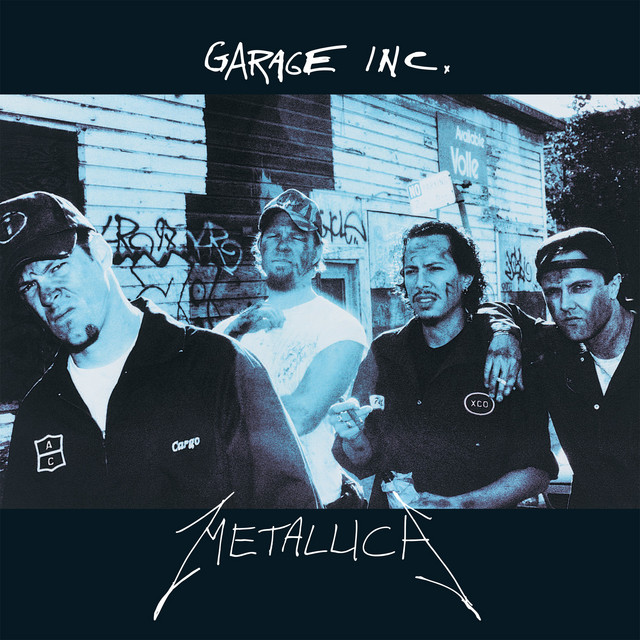
Fast forward to 1998, and Metallica’s cover appears on their compilation album Garage Inc.. The band, already known for their heavy sound and intense performances, approaches Seger’s classic with a distinct metal flair. This version is not just a cover; it’s a transformation that breathes new life into Seger’s haunting lyrics.
James Hetfield’s gritty vocals inject a sense of urgency and raw emotion into the narrative. The instrumentation is heavier, more aggressive, yet it maintains the core of Seger’s story. The iconic guitar riffs and pounding drums amplify the feelings of isolation and frustration that run through the song.
Where Emotion Meets Metal
One of the most striking elements of Metallica's take is how they amplify Seger’s emotional weight. The line
takes on new meaning when channeled through Hetfield’s powerful delivery. The anxiety and pressure of performing become tangible, resonating with an audience that may feel similarly scrutinized."And you feel the eyes upon you as you're shaking off the cold..."
This interpretation doesn’t shy away from the darker aspects of the original. Instead, it embraces them, showcasing the struggles of the rock and metal lifestyle. The raw energy of Metallica's rendition juxtaposes with Seger’s more subdued approach, creating a compelling dialogue between the two versions.
Legacy and Influence
The impact of Seger's original is undeniable. His storytelling roots influence not just Metallica, but countless artists who find inspiration in the struggles and triumphs of the human experience. The decision to cover “Turn The Page” was a bold choice for Metallica, yet it highlights their respect for the legends who paved the way for them.
Bob Seger’s “Turn The Page” was not released as a single until 1976, but it has since become one of his signature songs.
Metallica’s version stands as a testament to the song's enduring relevance. It serves to bridge generations, introducing Seger's poignant narrative to a new audience while honoring its original depth. In doing so, Metallica not only showcases their musical prowess but also their ability to convey genuine emotion and storytelling.
A Convergence of Styles
What truly sets Metallica's cover apart is how they navigate the fine line between reverence and reinvention. Seger’s original is a soft, almost introspective ballad, while Metallica's is a thunderous proclamation of the same sentiments. This blend of styles is a reminder that music can evolve while still holding on to its roots.
In the end, both versions of “Turn The Page” serve a purpose: to evoke the complexities of life on the road, musically and lyrically. Whether it’s Seger’s wistful reflection or Metallica’s powerful reinterpretation, the song remains a poignant reminder of the struggles and solitude faced by those who live to perform.